

Artificial intelligence is going to have a big impact on our relationship with the sea, as it has on all our lives. But artificial intelligence-powered equipment, in particular, seems set to fundamentally change boating.
We all have an assistant nowadays thanks to artificial intelligence. What an assistant! It has not only practical knowledge, but knowledge about everything from astronauts to llamas. When it comes to amateur sailing, it too is a little amateur. Its answers to questions are sometimes incomplete or controversial. It even makes up things a little bit, but at least it is humble enough to admit its mistakes and knows how to apologize.
Sailors are already not choosing a bay, going sailing or judging the weather without asking artificial intelligence. However, the actual impact of artificial intelligence on seafaring is especially evident in difficult tasks such as docking boats at marinas.
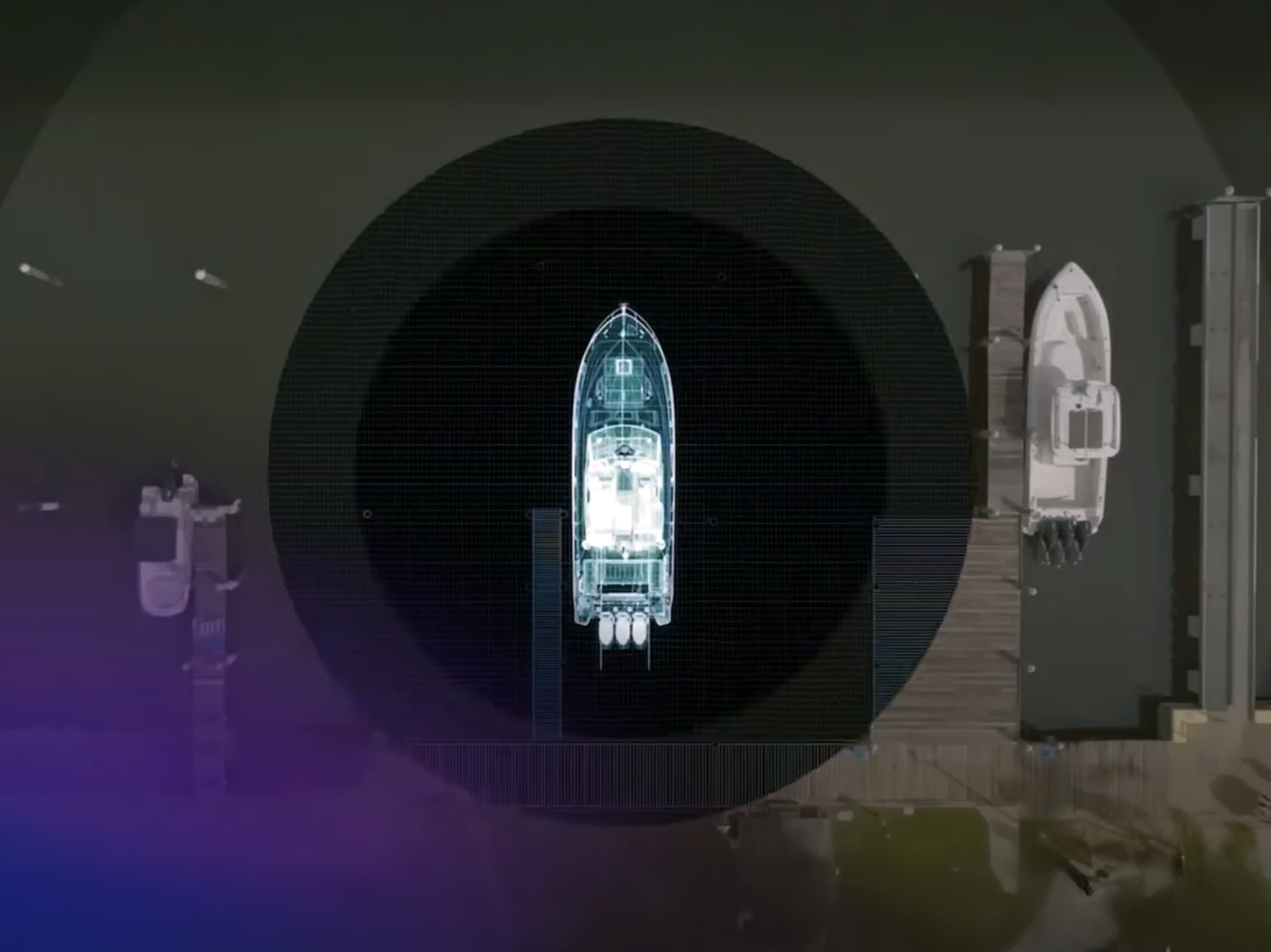
It is not easy to dock a boat without the help of mooring. This requires great care and effort at times, even for the most experienced captains. A sudden gust of wind, an object left in the water, something unexpected from a neighboring boat can make this seemingly simple task even more difficult. However, artificial intelligence-assisted boat docking systems are likely to solve this major issue once and for all.
These systems currently undergoing initial trials are being pioneered by companies such as Avikus, Raymarine and Volvo. Developments are so fast that these companies are expected to overtake car companies in autonomous driving. This is partly because, after all, the environment at sea is not as complex as on land.
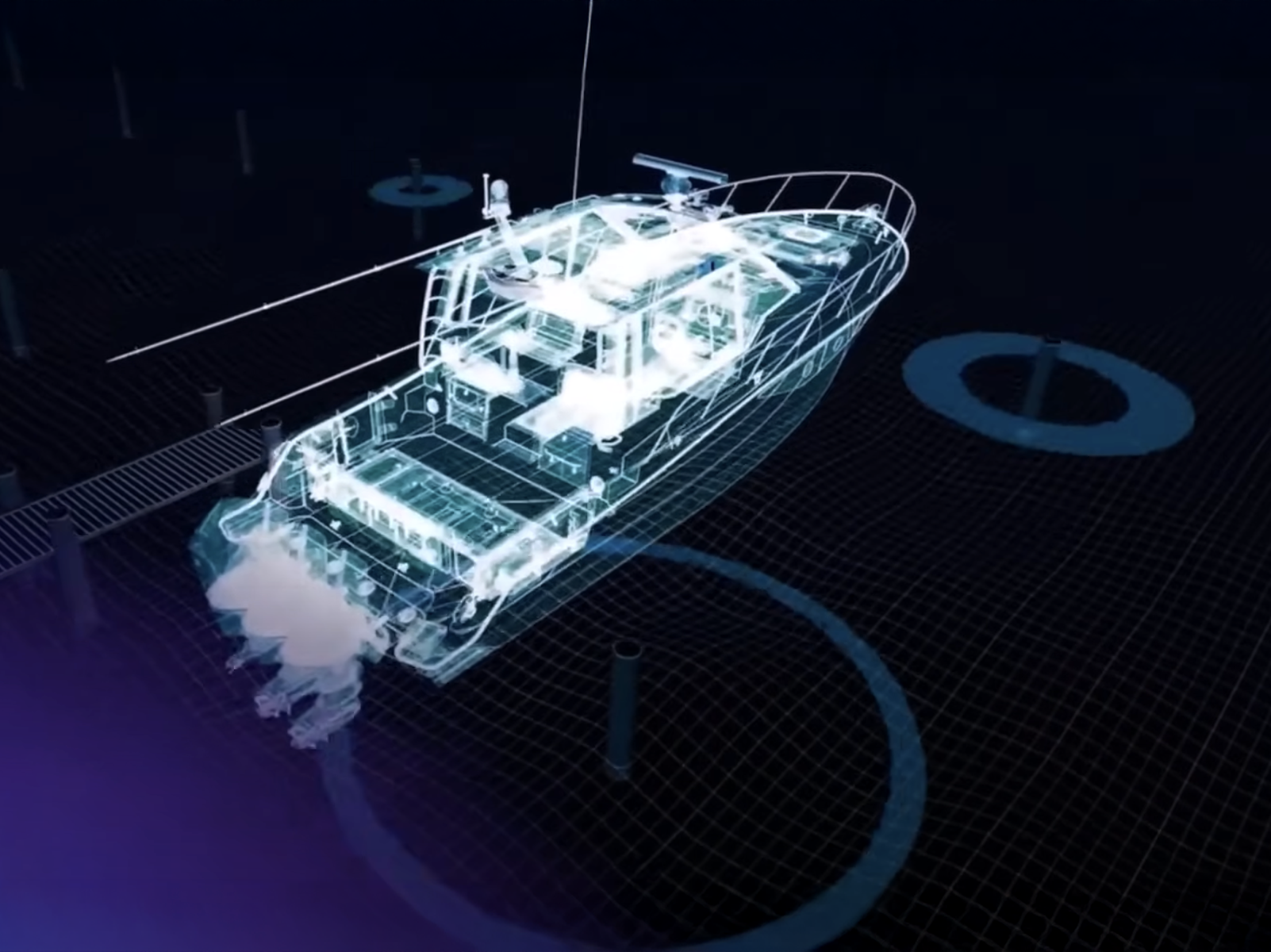
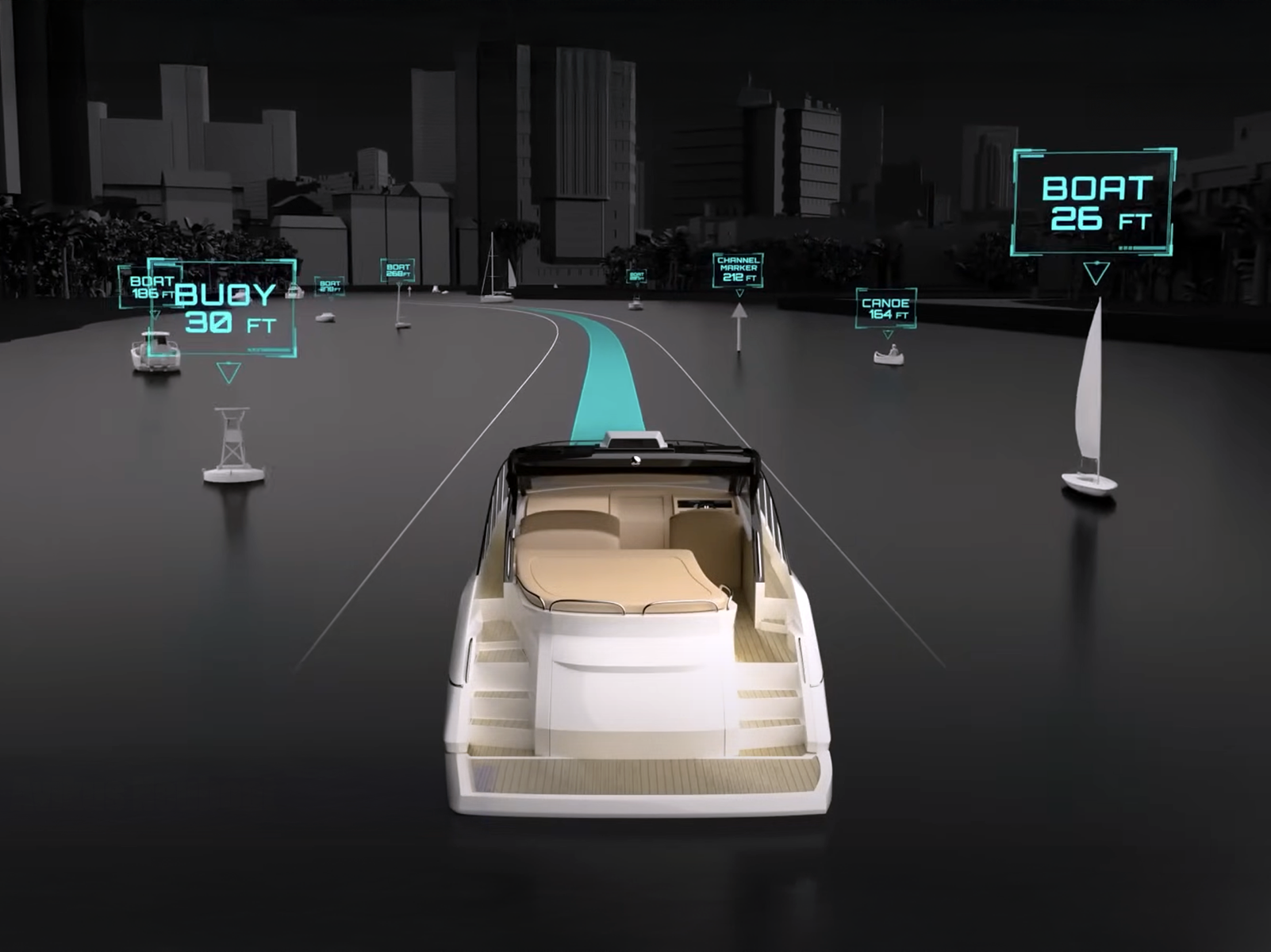
These autonomous systems working with the assistance of cameras can scan all obstacles in front of the boat, as well as evaluate the wave and weather conditions and guide the boat on the most accurate route with the assistance of artificial intelligence. Thanks to the combination of the artificial intelligence software of Avicus with Raymarine's radar system, the object recognition range has already reached 1.5 nautical miles.
Besides navigation and docking systems, artificial intelligence is expected to bring significant benefits in boat maintenance and engine health in the near future. Artificial intelligence is also expected to improve boat safety. Not to mention its contribution to environmental protection and sustainability.
Boating with artificial intelligence may make life a lot easier. It will also encourage boating. But it seems that it will become increasingly harder to witness those masterful maneuvers that have amazed us all from time to time.
Photographs: With permission from Avikus, Raymarine and Volvo