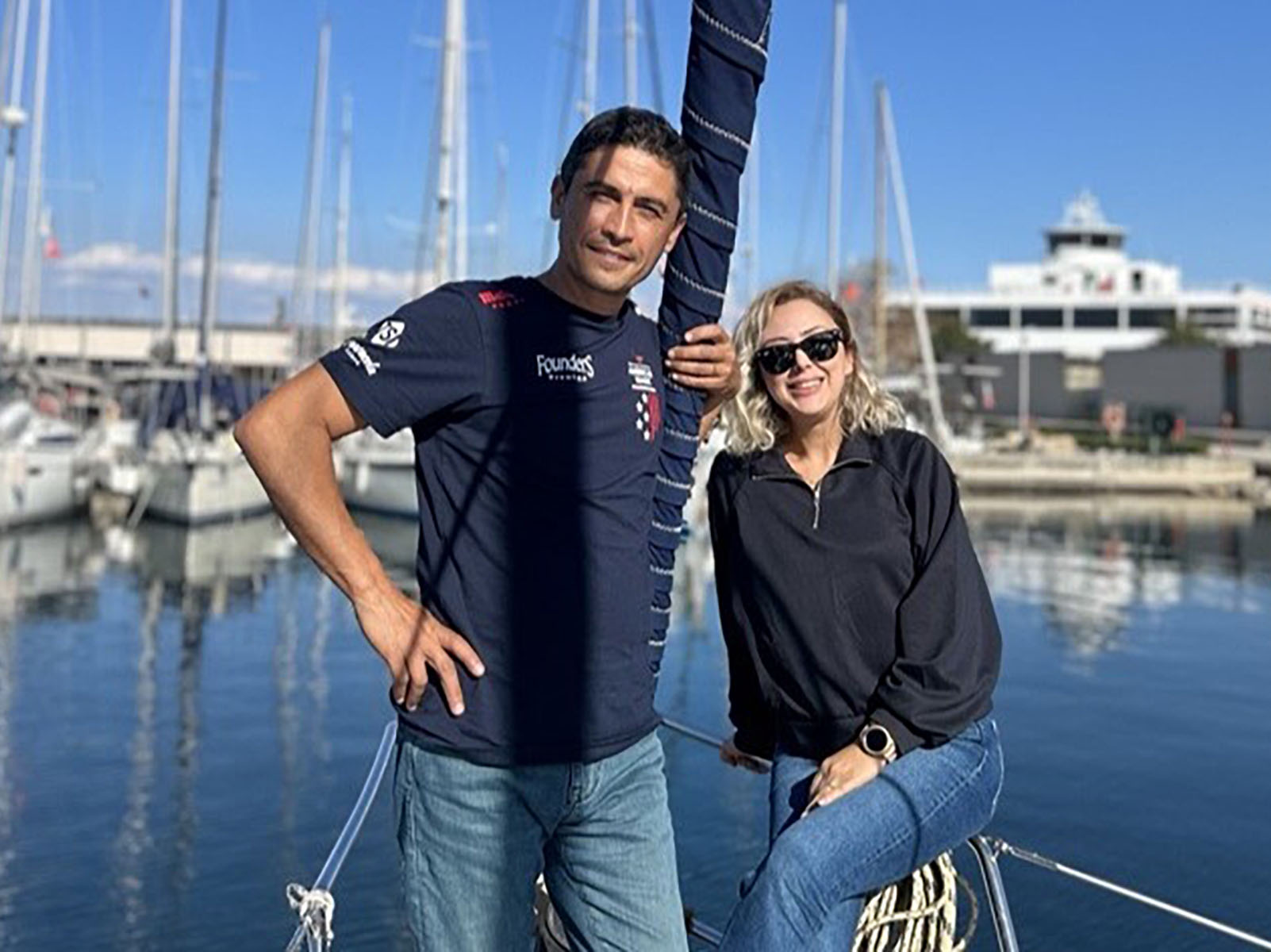
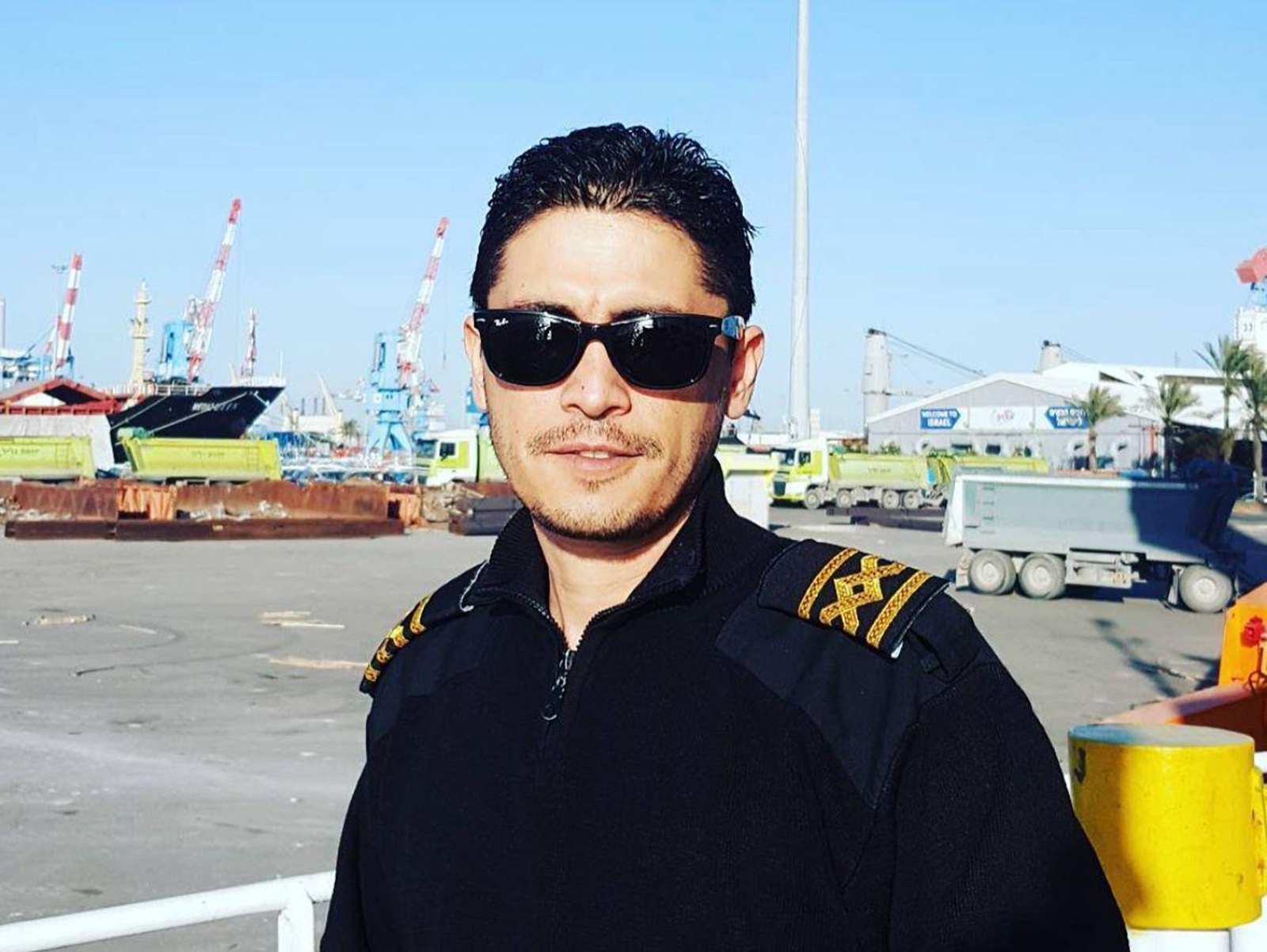
The guest of our series "3 Vital Pieces of Knowledge You Can't Have Without Experiencing" this time is Fırat Özgür, an experienced master and a true sea enthusiast, and his three eye-opening points.
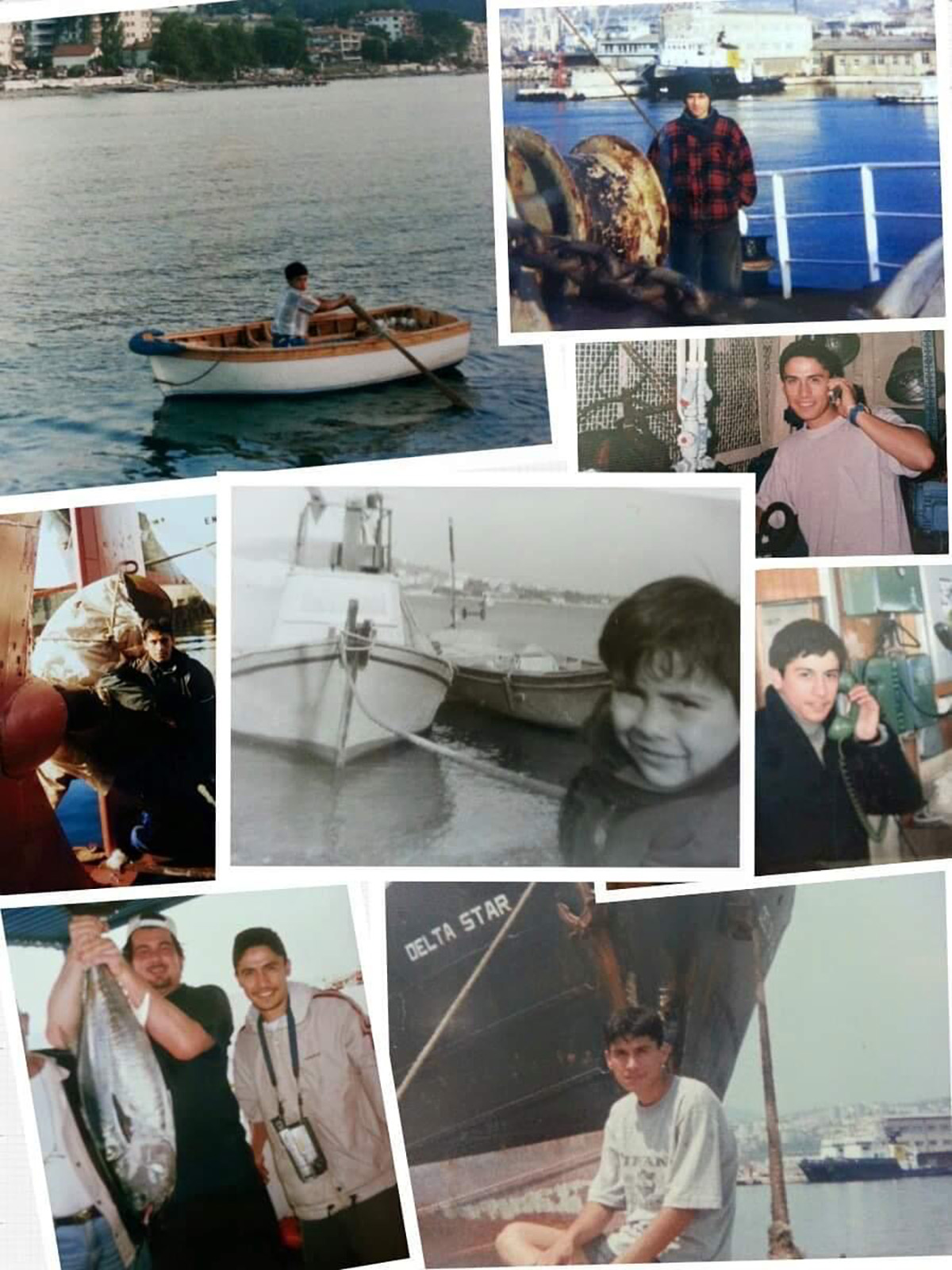
His maritime adventure, which began in his childhood years aboard his father's boat, turned into a passion for Captain Fırat during his primary school years. The sail he made from his mother's sheets for the small rowboat he acquired at that time ignited this passion. Fırat Özgür, who stepped into professional maritime life alongside the Maritime High School, has made the sea his entire way of life. As for the three vital pieces of knowledge distilled from his 27 years of experience for us...
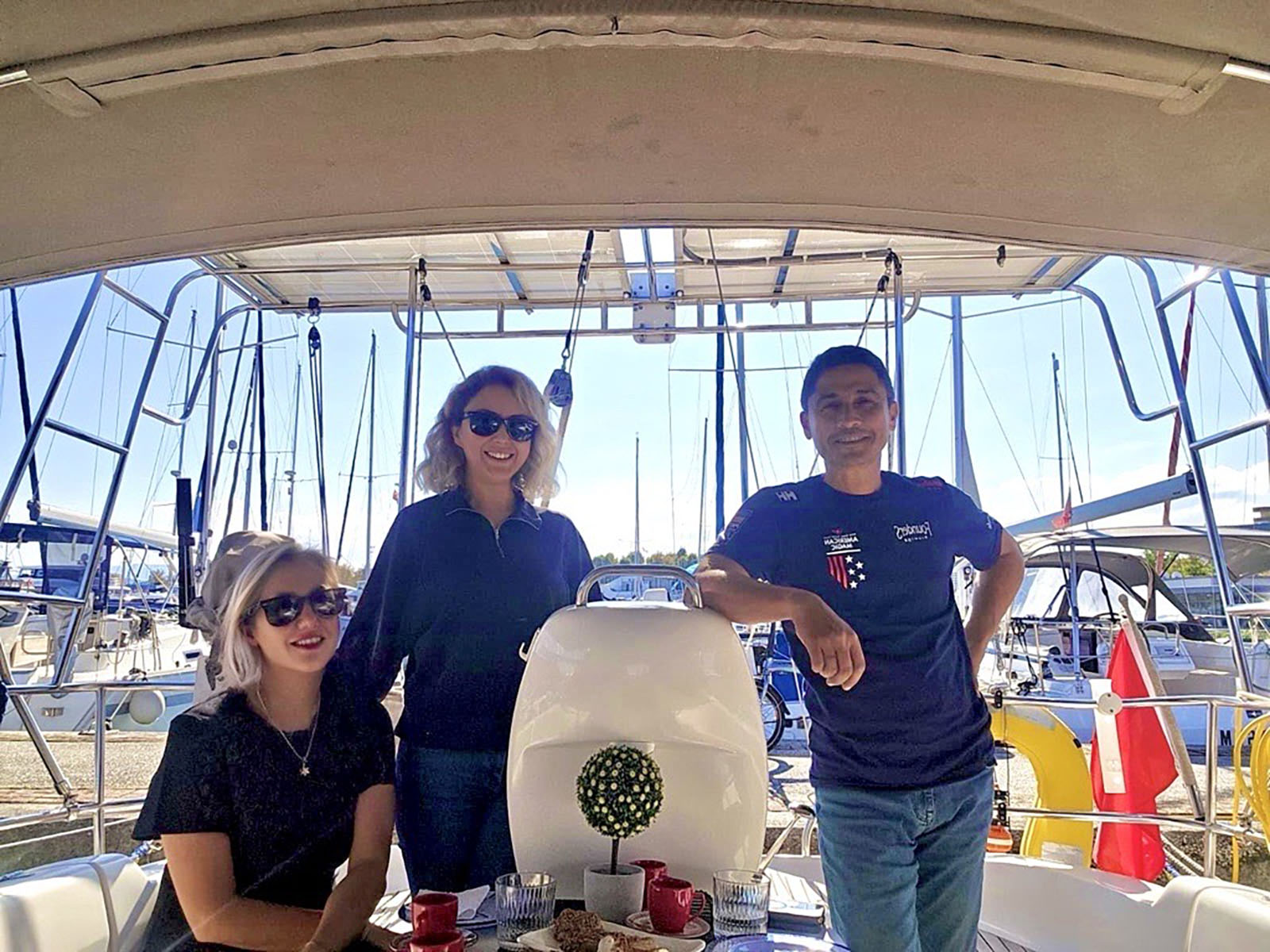
1. Listen, Feel, and Get Ready: The most important element in sailing is to listen to, understand, and feel the sea and the boat. Captain Fırat meticulously prepares his boat as if he was setting sail on a long voyage before departure. Everything has its place on the boat, and if there is the slightest change in sound, he can immediately find the source. For example, one day he saw that the source of the rattling noise coming from the boat was a small screw around the propeller. According to him, paying attention to such details prevents major problems. Additionally, there should be a spare for everything on the boat. Having only one piece of equipment is almost the same as having none at all.
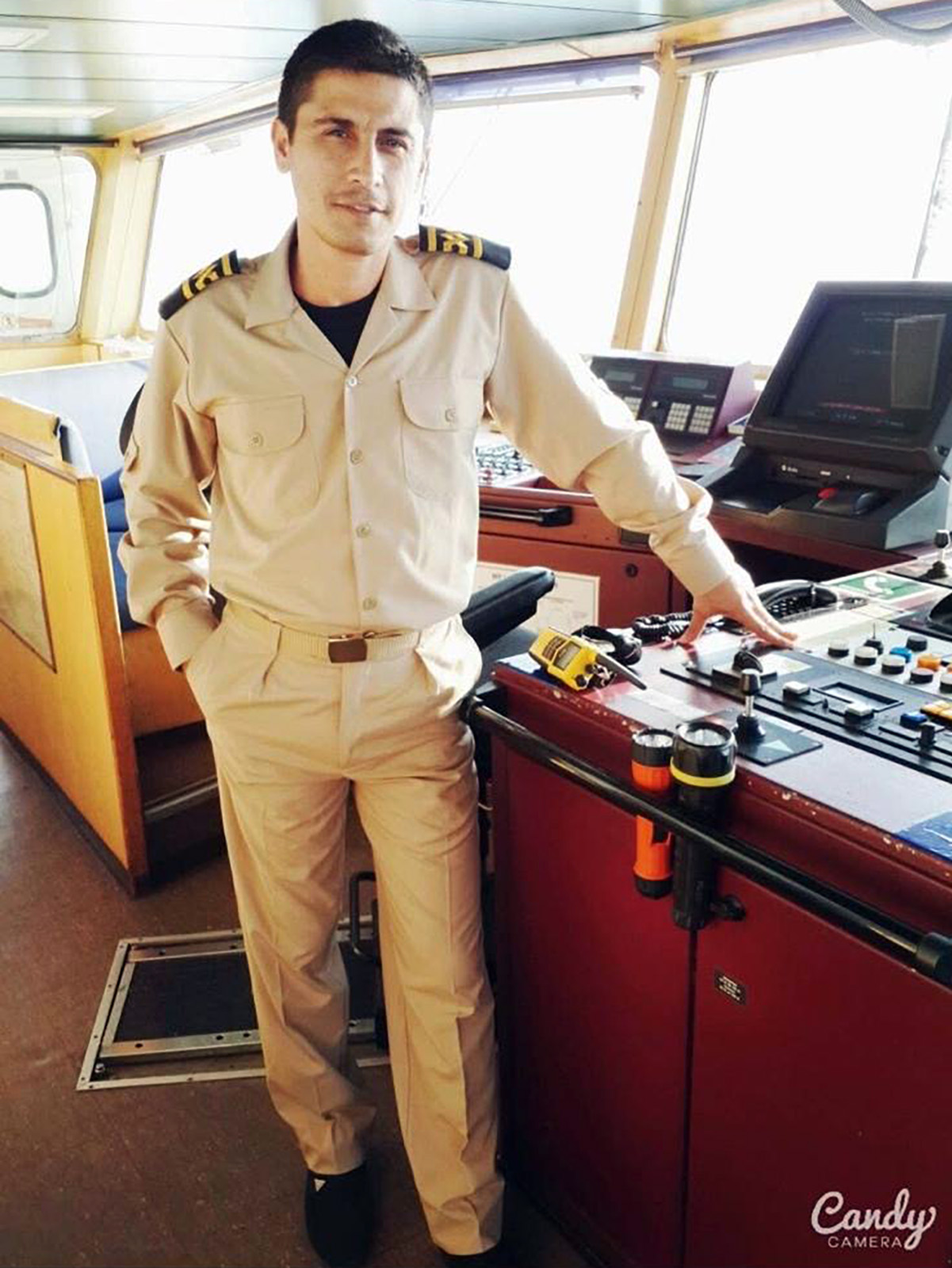
2. Plan Ahead and Calculate Your Moves: At sea, as in chess, you need to foresee several moves ahead and plan accordingly. Due to meteorological conditions and changes in the ozone layer, the weather can change suddenly. Therefore, one should always act with zero risk and comply with the rules of the weather conditions rather than defy them. On a boat, the captain is the boss, but on the sea, the weather is the boss.
3. Foresight and Experience: Time loses its meaning at sea. It is measured in hours, meals, shifts, and moments spent with the crew. The COLREG rules that every sailor understands the importance of when they go sailing are fundamental to safety at sea. However, gaining foresight at sea is achieved over time and through experience. For example, after spending the night in a bay, the engine may suddenly stop on the way back. In such situations, it is necessary to act with foresight and come up with alternative solutions. Making the right and quick decisions in emergency cases is a skill that cannot be learned without experiencing it.