

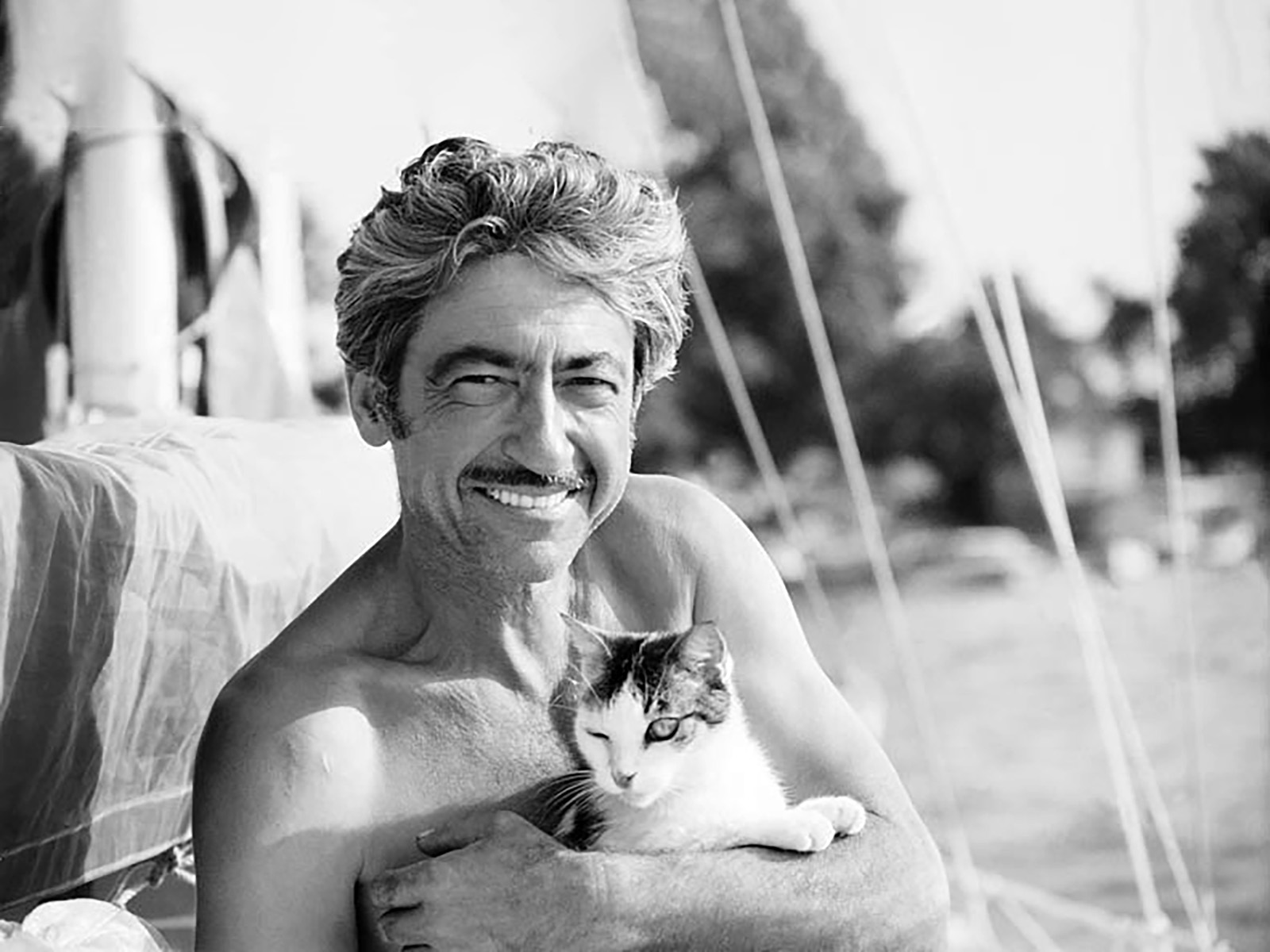
Getting a cat out of the house is a challenge in itself. That is because cats are attached to places, not to people. But cats also love to prove people wrong. Just for this reason, there have been sailing cats that frequented boats, and some of them have made their mark in history.
Officially enlisted in the navy: Herman
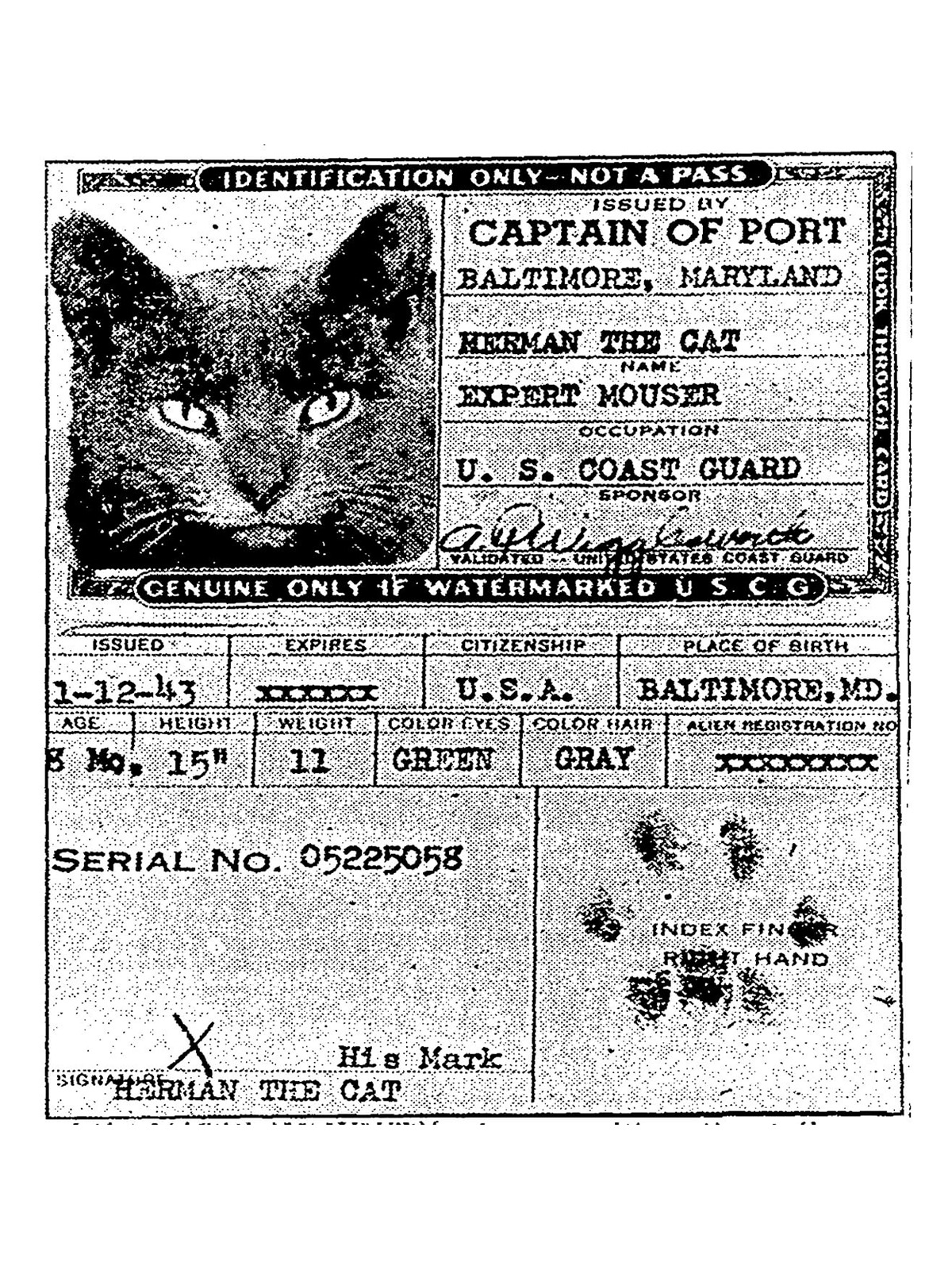
One of the most famous and interesting cats in history is Herman, who was officially enlisted in the navy. When pets were allowed on ships, Herman was photographed and given an official identity card, and he happily practiced his rat-catching profession without hiding. Born in Baltimore, USA, Herman was enlisted in the navy on January 12, 1943, as can be seen in his military identity card. He was only 8 months old at the time. Standing 38 centimeters tall and weighing 5 kilograms, Herman had green eyes and gray fur. He had signed his identity card with his paw. Herman was the navy's only hope against disease-spreading (especially bubonic plague and typhus), rope-gnawing and food-stealing rats, and was featured in news bulletins. According to the chief boatswain A.M. Talbot, who was in charge of pier 4, he was an "ambassador of good will", even a "diplomat". Herman, whose assignment sheet included the task of entertaining people in addition to catching rats, did no more than allow for a pat on the back. But he managed to make history for his usefulness in solving an actual problem.
The explorer of Antarctica: Mrs. Chippy
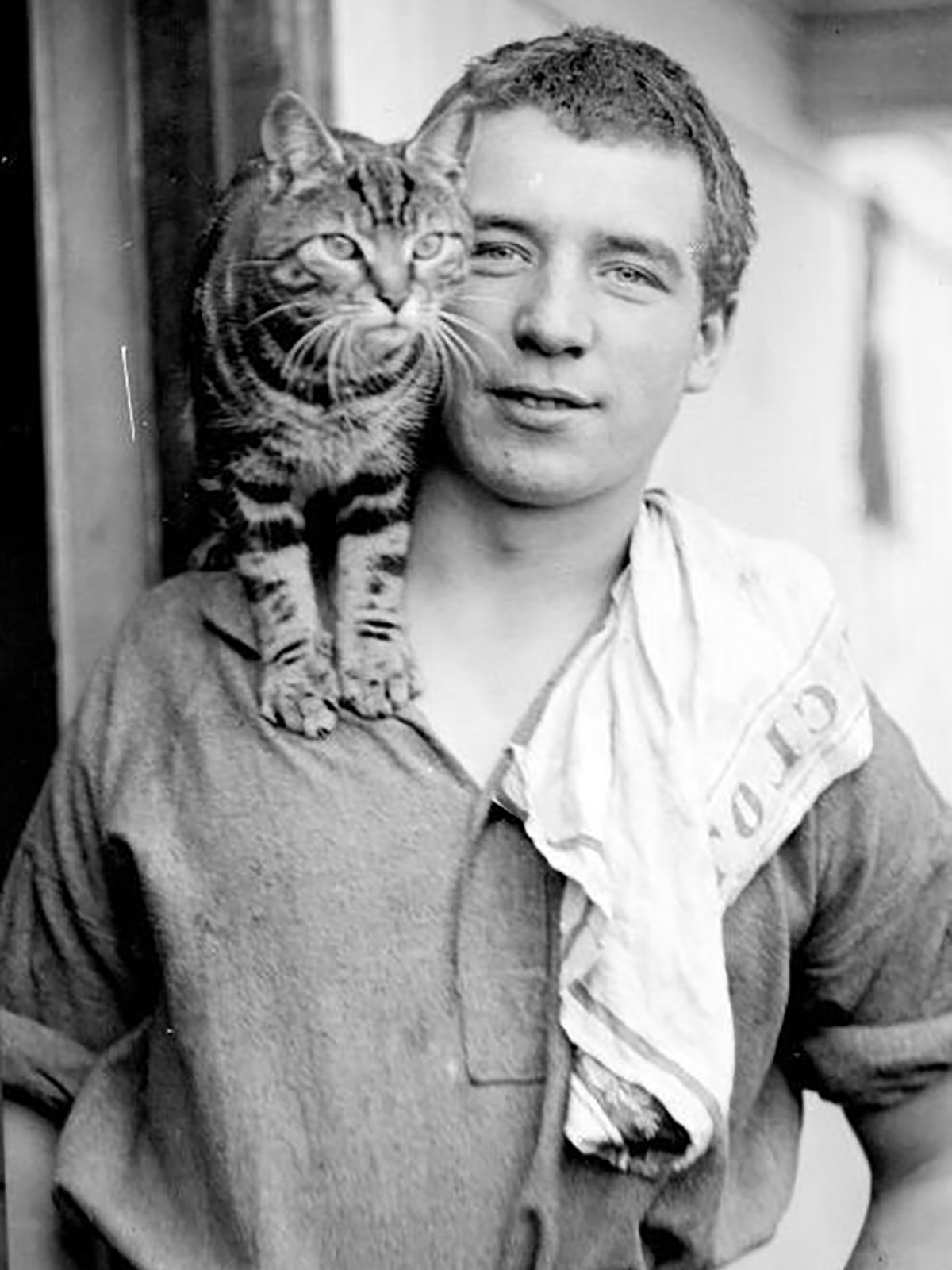
There are few expeditions in history as dramatic as Ernest Shackleton's 1914 Trans-Antarctic Expedition aboard the Endurance. What makes this expedition so dramatic is the story of Mrs. Chippy, a member of the crew. Taken on board by Henry McNeish, the ship's carpenter, Mrs. Chippy (chippy being slang for carpenter) was never out of trouble when he was not hunting rats. In fact, one night he slipped off the deck and fell into the icy waters of the Atlantic Ocean and was miraculously rescued. When Endurance got stuck in ice in January 1915, the crew had to abandon ship and go ashore. Waiting for them was a terrifying 560-kilometer walk. Captain Shackleton decided to leave Mrs. Chippy behind, thinking that he would not survive the journey. They put his favorite food, sardines, in a bowl, placed it in front of him and left. The ship's crew, with superhuman effort, finally reached civilization. McNeish, the carpenter who kept Mrs. Chippy's memory alive until his death and had a statue of him added to his own grave, never forgave the captain. Mrs. Chippy made his mark in the history of explorations.
The cat that sank the Bismarck: Oscar or "Unsinkable" Sam
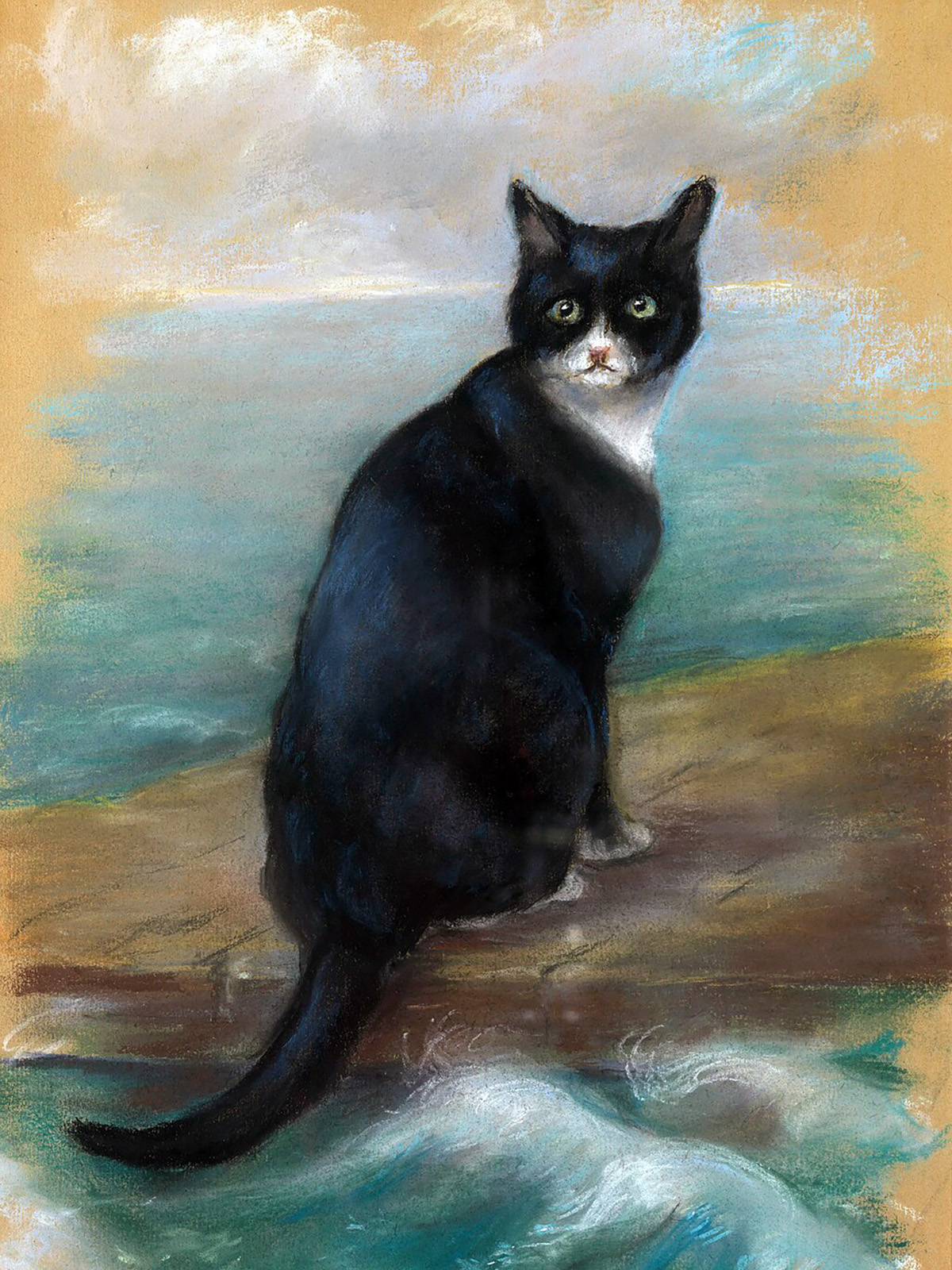
Oscar, the German cat known as Unsinkable Sam, was one of the personalities that marked World War 2. Being one of the few survivors of the legendary German battleship Bismarck, Oscar was rescued by HMS Cossack and renamed Sam. But those who expected Sam to bring luck to the ship were wrong. HMS Cossack also sank within a few months. Surviving yet again, Sam was given another chance by the crew of the aircraft carrier HMS Ark Royal. But even this story only lasted three weeks. HMS Ark Royal also went to the bottom of the sea. But Sam himself had no intention of going to the bottom of the sea. This time, he was on board HMS Legion. That is when Sam, already a famous cat, got the nickname "Unsinkable". But nobody could tolerate him anymore. So he retired and moved to the old sailors' home in Belfast. Sam may not have sunk, but he did sink a lot of old men at poker in the home where he spent the rest of his life.
A cat that made it into the Turkish history: Miço
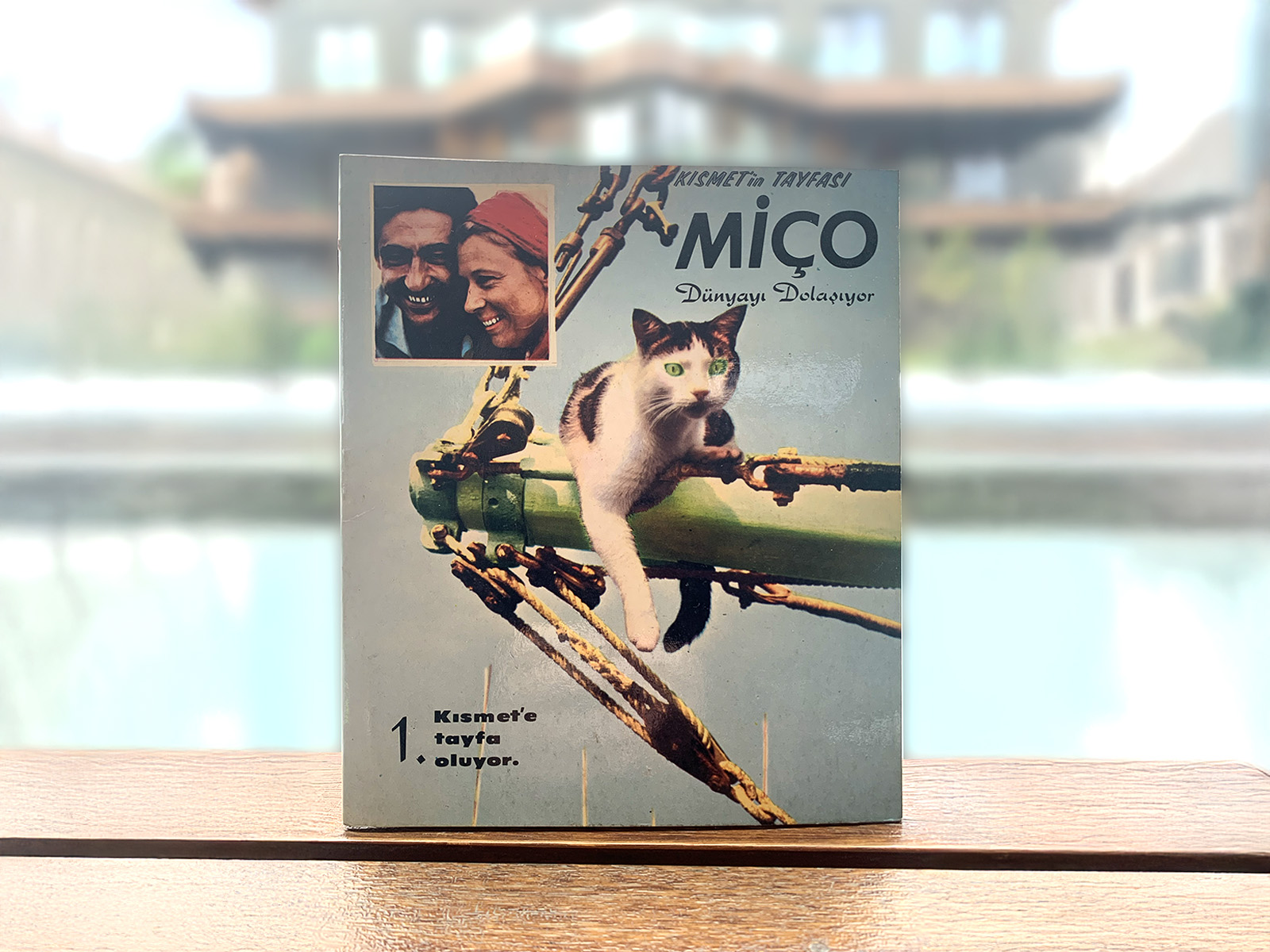
We also have sailor cats that are part of our history. The most famous one is Sadun Boro's Miço. Miço was an important part of Sadun and Oda Boro's round-the-world voyage on the boat Kısmet, which they set out on Sunday, August 22, 1965, and which inspired everyone, young and old, in the Turkey of that time. Actually, the story of the Boro couple's meeting with Miço gives clues about the spirit of that great voyage. Born on August 3, 1965, three weeks before Kısmet's departure, the tabby-backed, white-bellied Miço was the only offspring of Lucy, who came from the wild New Hebrides Islands of the Pacific. The Boros first meet Miço on the deck of the American yacht John Hanna in the Port of Cartagena, Spain. They meet again in the Canary Islands. Originally considering getting a dog, the Boros love Miço so much that they decide not to get a dog. When Miço starts working on Kısmet, the crew grows to two and a half members. Having been a mate until then, Oda Boro becomes the first mate when Miço comes. When on June 15, 1968, Kısmet returned to Istanbul after completing the round-the-world voyage, those who came to welcome Kısmet were waiting not only for the Boro couple, but also for Miço, who had already made a name for himself. A 10-fascicle children's series titled Kısmet'in Tayfası Miço Dünyayı Dolaşıyor (Kısmet's Crew, Miço Travels Around the World) was also published with illustrations by Sadun Boro and Samim Utkun for Miço, who accompanied the Boro couple on their subsequent voyages.
Portrait of Oscar: Georgina Shaw-Baker