

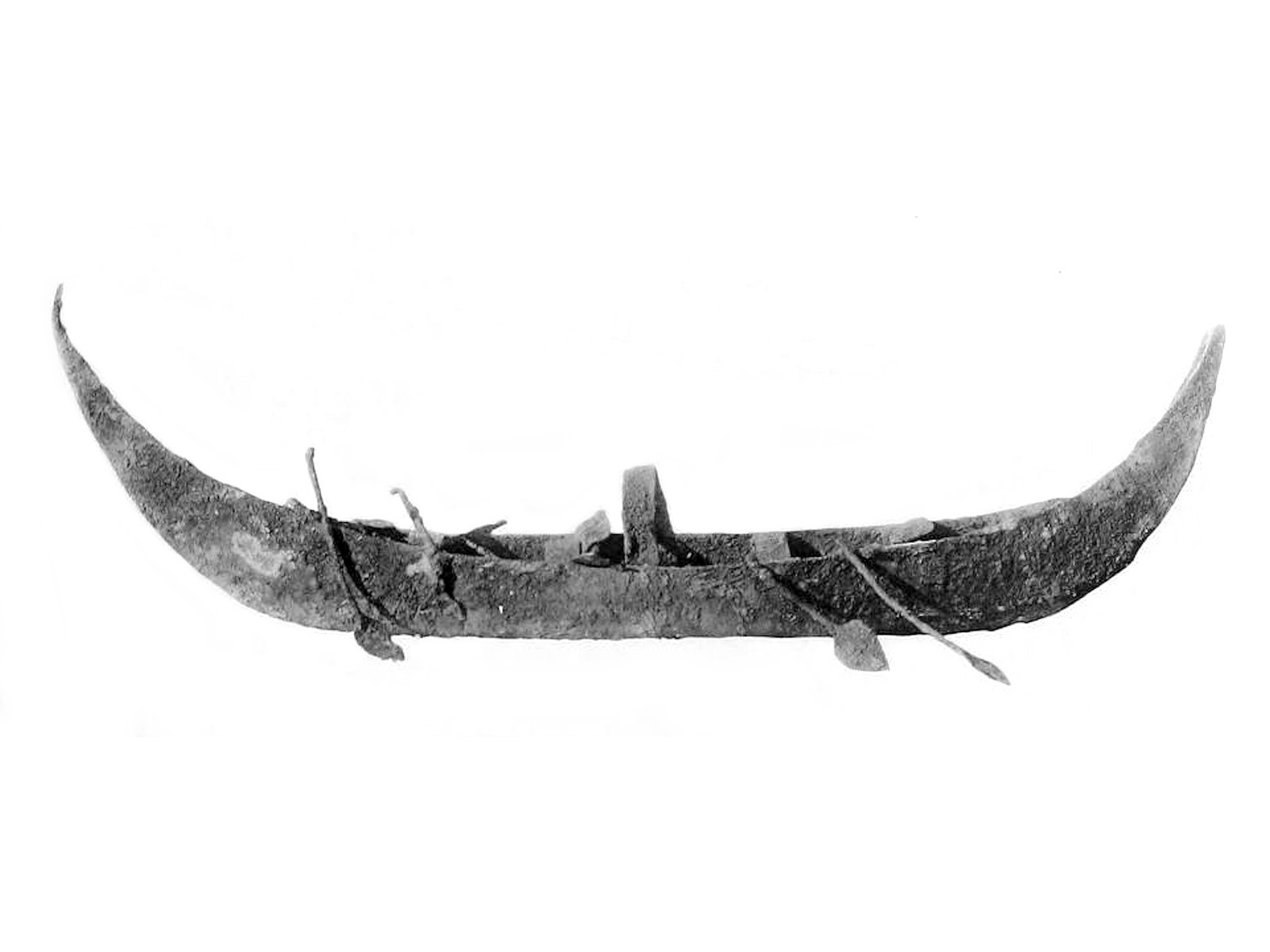
The history of sailing is as old as the maritime history. The first watercraft, in other words the first boats, had sails before long. Those sails carried us from ancient times to today.
It must have all started with a piece of wood that fell into the sea. That piece of wood expanded and took the shape of rafts. Those rafts were folded in half to reduce friction, their ends were sharpened, paddles were added to them to gain speed, and it became possible to reach from one sea to another. There was only one piece left: Sail. Once it was added, humans were able to cope with the wind, the waves and the currents at the same time, and they stopped being afraid of the sea and started harmonizing with it.
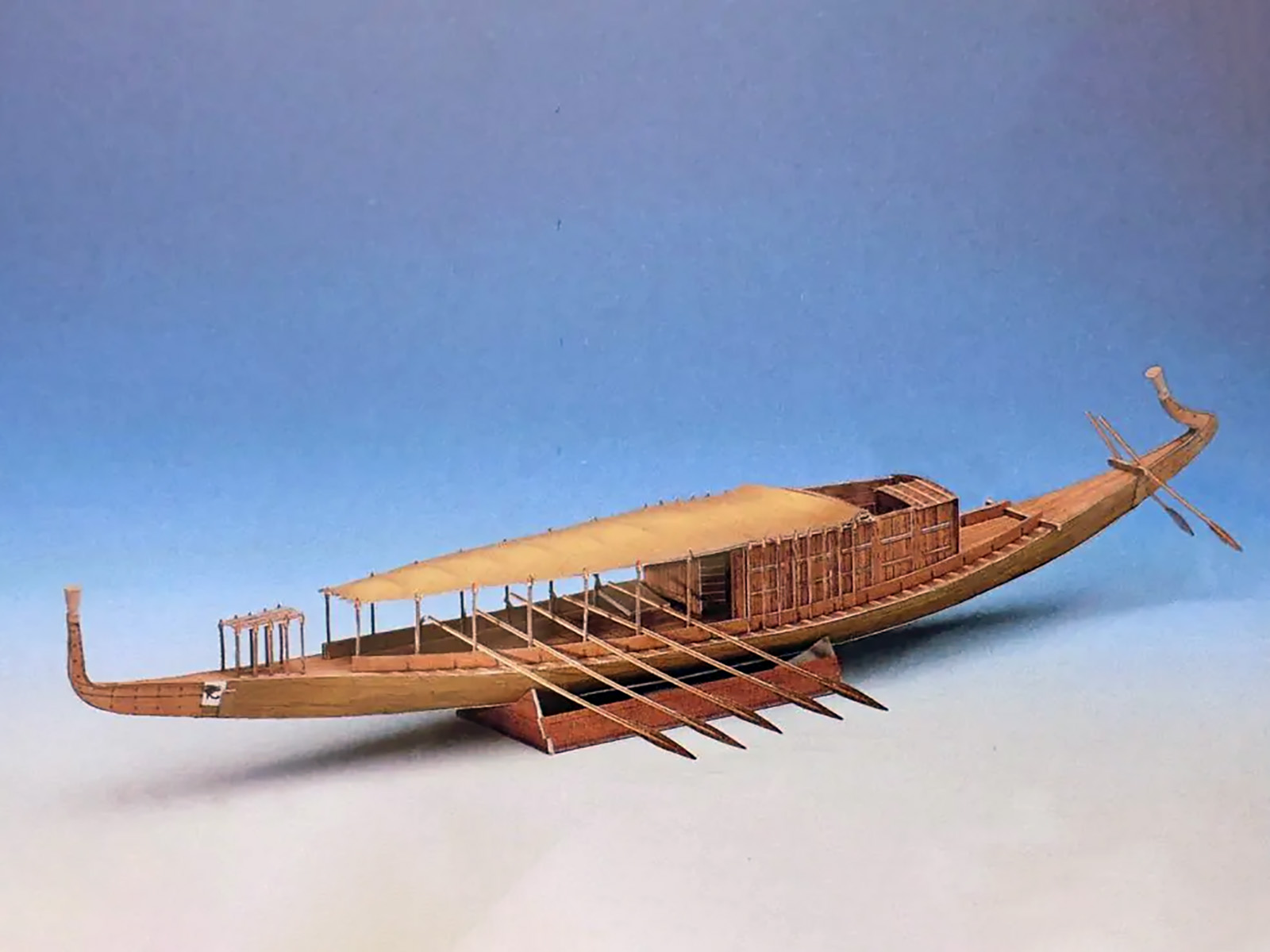
Maritime history dates back approximately sixty thousand years ago. It is thought that the first maritime activities took place off the coast of Australia. The invention of sailboats coincides with the Bronze Age in the Eastern Mediterranean. Although the original motivation was to transport commercial goods to distant places, the invention of sail transformed seafaring from an activity based on muscle power to one based on intellect. Thus, humans experienced both a commercial and intellectual leap.
Sail not only reduces the need for muscle power, but also enables ships with wider hulls, in other words, ships with more carrying capacity to be built. But these big sailboats are not easy to steer as the wind does not always blow from behind. That is when humans discover "rig". In the simplest terms, the components of a sail, consisting of a mast, spar, pulley and other parts that stabilize and allow the sail to be used.
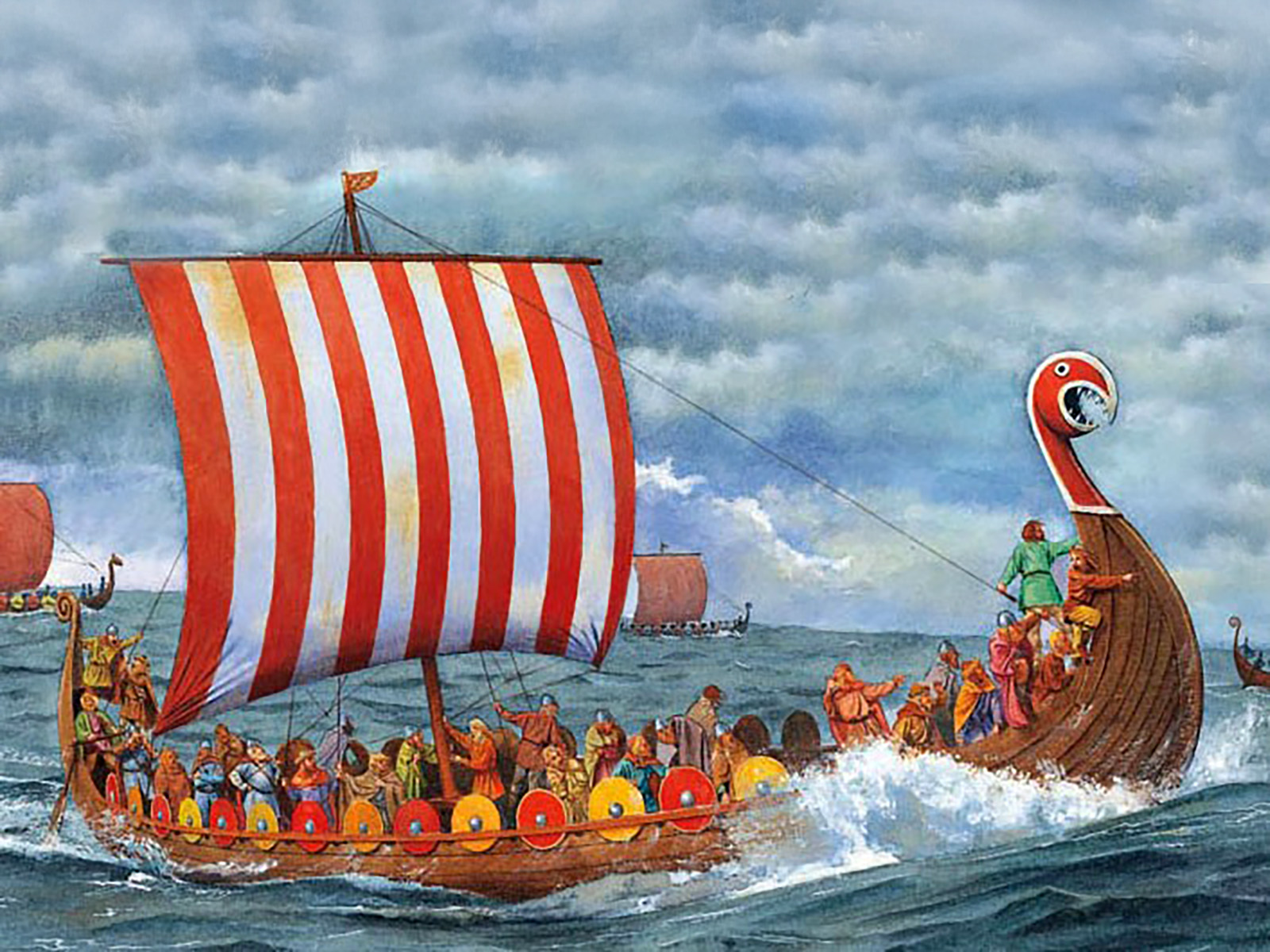
Then, humanity pondered the shape of the sail for a while. The first sails were (with a little bit of straightforward logic) square. Over time, the square sail was transformed into a triangular sail, or "Latin sail". And then to the multi-part triangles called "sakoleva", which we still use today. This new format allowed sailing faster and more efficiently. Until the invention of the steam engine, these sails served the need for about two thousand years.
Of course, not only sails have evolved, but also the hulls of ships. The ships that carried Christopher Columbus and Ferdinand Magellan to the New World in the 15th and 16th centuries, the Age of Exploration, could undertake voyages lasting months thanks to the strength of their wooden hulls. The relatively small but highly maneuverable ships, also called Caravel, were a technological marvel of that period.
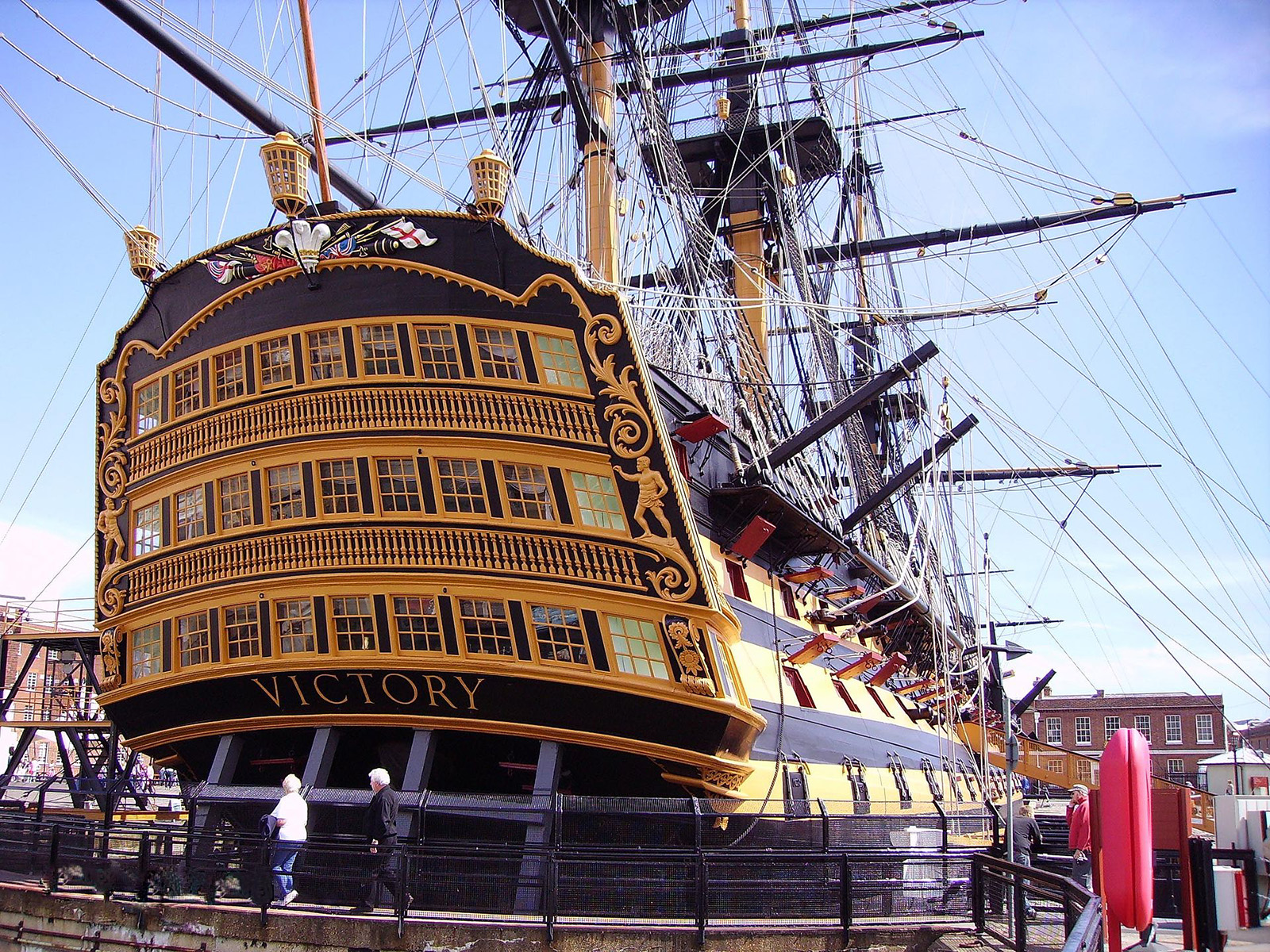
The golden age of sailing ships was the 17th and 18th centuries. England, France and Spain competed fiercely in building wooden warships and built some of the most powerful sailing ships in history. These ships could rise up to three or four stories high and stood out as the rarest examples of woodwork. Until the 19th century, when the steam engine was invented. Trade increased as ships were gradually transformed into vehicles with engines, and seafaring experienced a true revolution. Sailboat building was temporarily suspended.
But those expecting the invention of the steam engine to spell the end of sailboats were gravely mistaken. During the late 19th century, there was a revival of recreational boating (amateur sailing), especially among the wealthy. Sailing took off again in 1851 with the America's Cup sailing races.
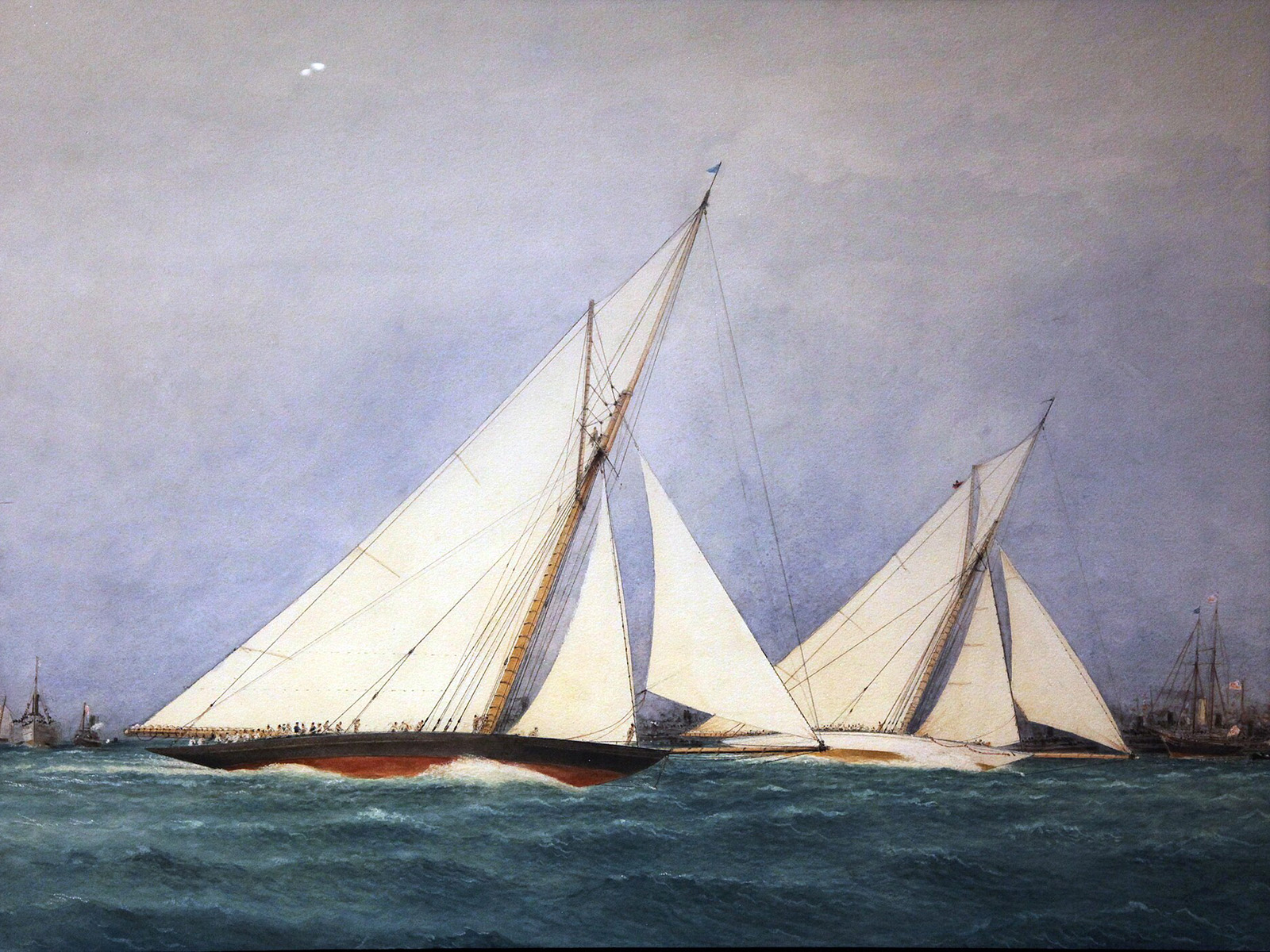
Although there was a mid-20th century decline in the number of wooden boats built, with fiberglass and other materials gaining popularity due to their cost-effectiveness and ease of maintenance, the number of sailboats never declined. Sailing has been experiencing its golden age once again in recent years with the impact of the global pandemic.
Sails have always been people's best friends, like books. People never gave up on them, even though they moved much more slowly. If we are still in touch with nature, silence and the spirit of traveling freely today, we owe it in part to sailboats.

Photographs: Wikipedia, Josh Czachur