

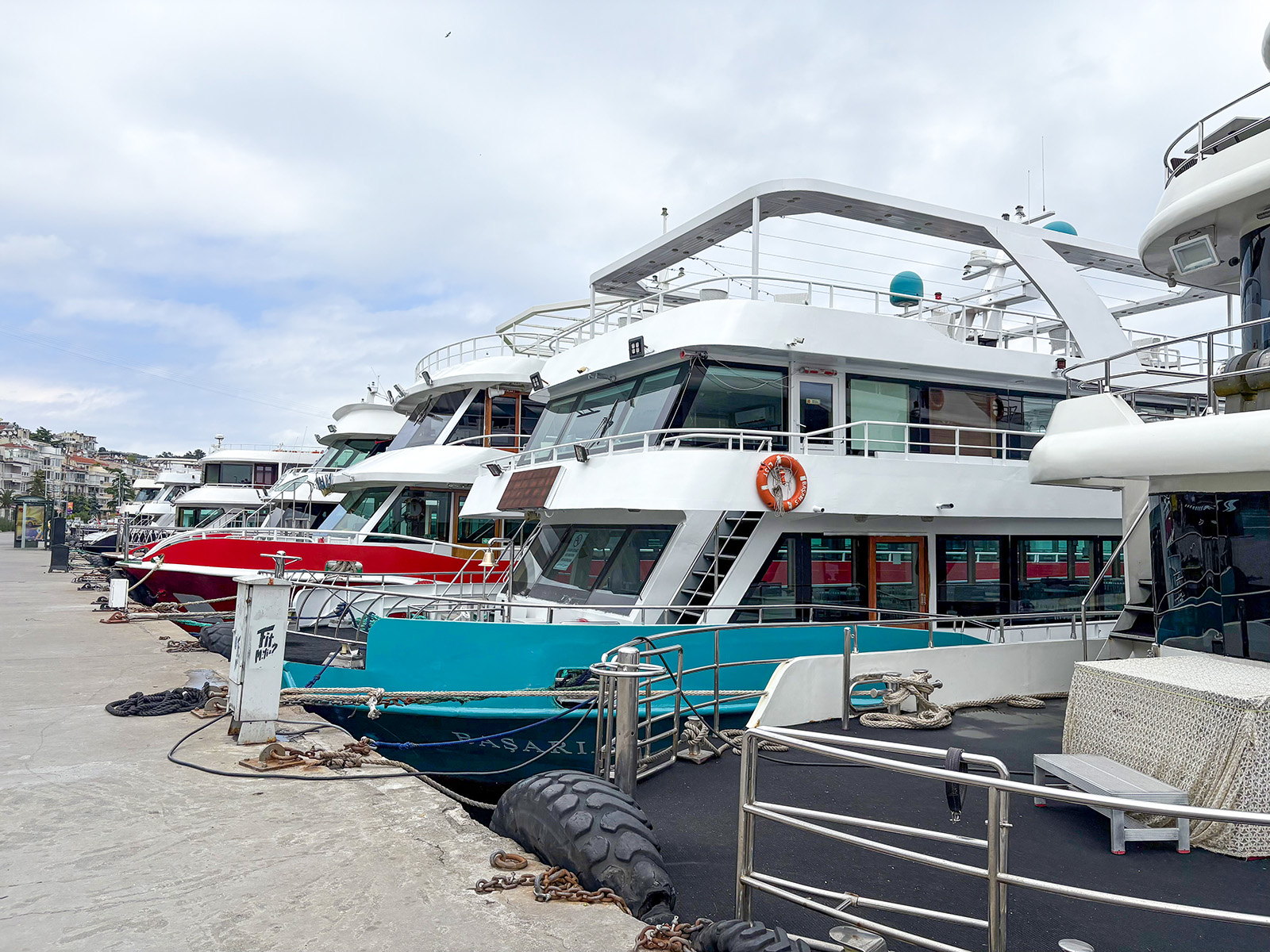
When you think of boats, you obviously think of agile, eye-catching, cool yachts. But there are also boats that are far from being dreamy and are just doing their job. Of course, like every boat, they have their own character, their own story.
Rows and rows of boats of all types fill the shore of the Bosporus, especially on the European side, in Kireçburnu, Arnavutköy, Bebek and many other spots. These boats, which are not eye-catching at first glance, and which hardly anyone dreams of, certainly have an owner (sometimes more than one). These boats, which are mostly at work, live their own stories. How about taking a closer look at them?
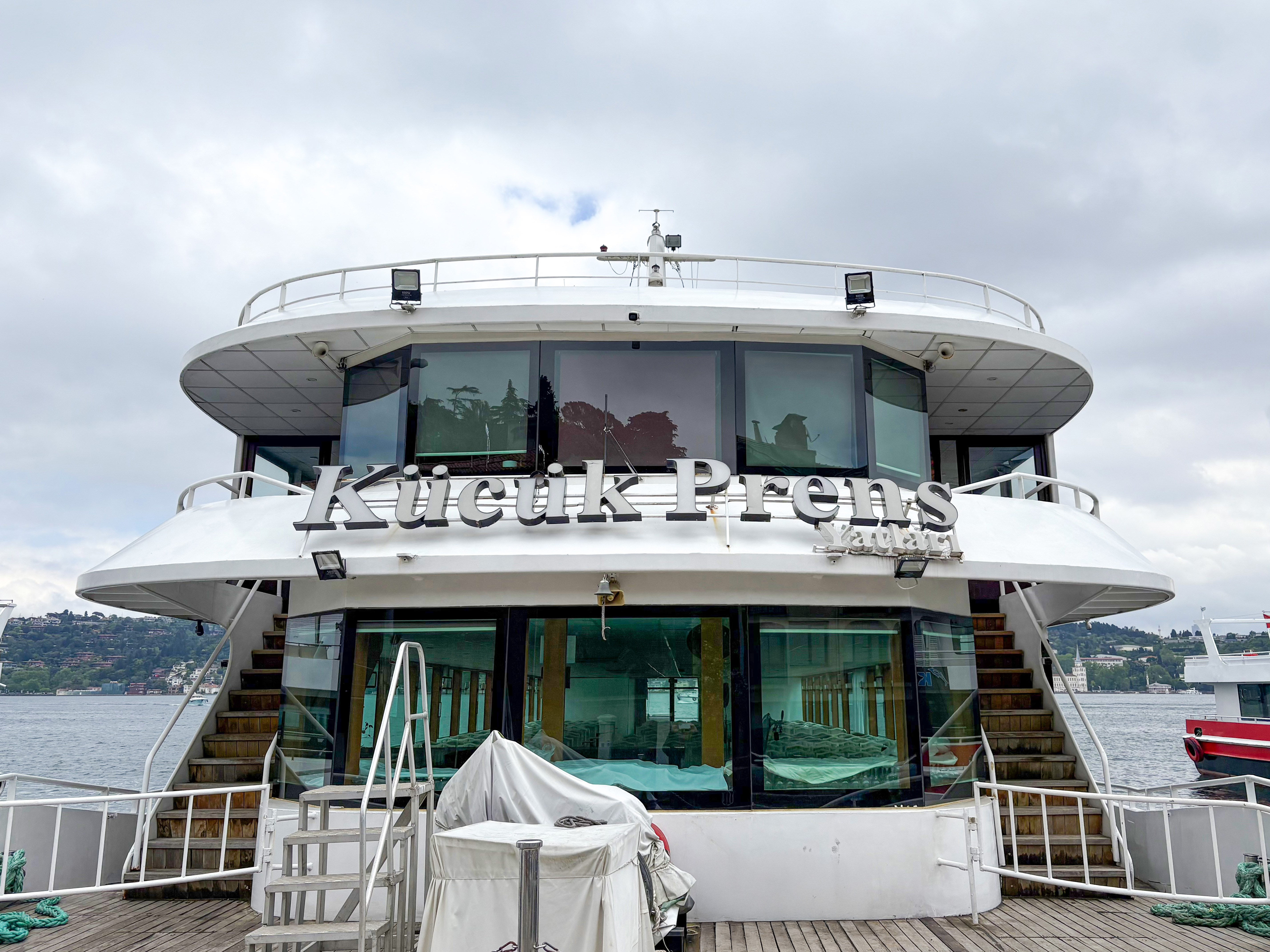
Fiberglass motor yachts, almost all of them white, that we often see on the Bosporus. They all look the same at first glance. Their hulls look as if they came out of the same lathe, their wheelhouses are always in the same shape. On one corner of them hangs a sign saying "For Rent". These are the boats that were once the latest model yachts and sailed in the most beautiful seas, but over time they passed from hand to hand and fell from grace. But not yet to the point of stepping aside. Because their engines are still strong enough to thrill the hearts of many. Who knows who else they will be rented to? How many more declarations of love, how many more birthday cakes, how many more corporate celebrations will they host? But no matter what, they will keep working until the last day.
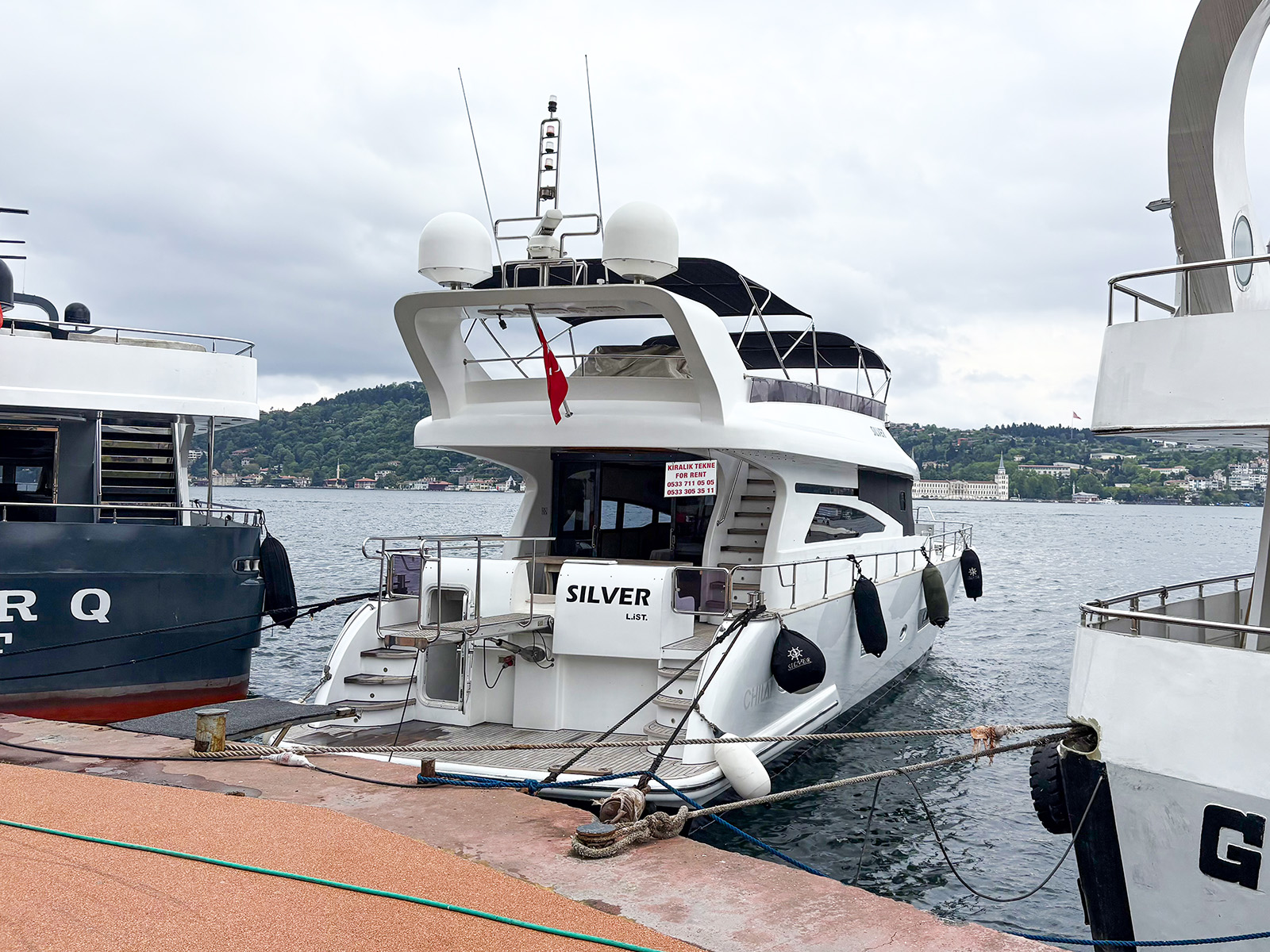
2. Tour boats
Tour boats must be treated differently from tour yachts. Because they belong to history rather than today with their wooden structures and fine design details. Their broad and shallow hulls sit in the water in such a way that it is as if they are distantly related to an imperial caïque. Bosporus tours on these boats not only allow you to see the two shores up close, but also to feel the atmosphere of old Istanbul. Since they are usually larger and more glamorous than tour yachts, their guests feel a greater sense of prestige. Their landings are reminiscent of panoramic balconies, where you can walk from side to side and take in every corner of the view. You can take little walks from the stern to the bow if you wish, and dive into your own dreams.
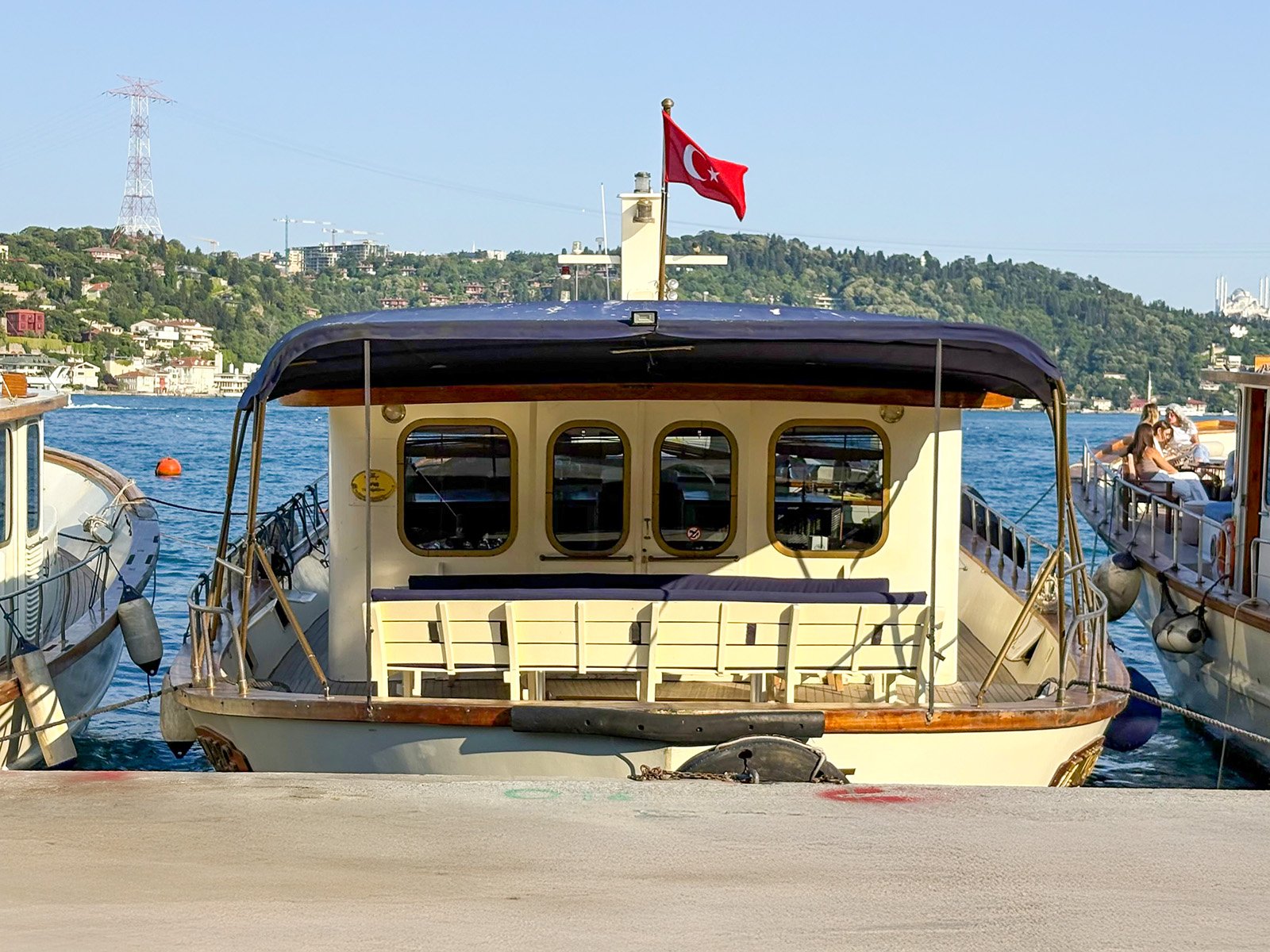
3. Entertainment boats
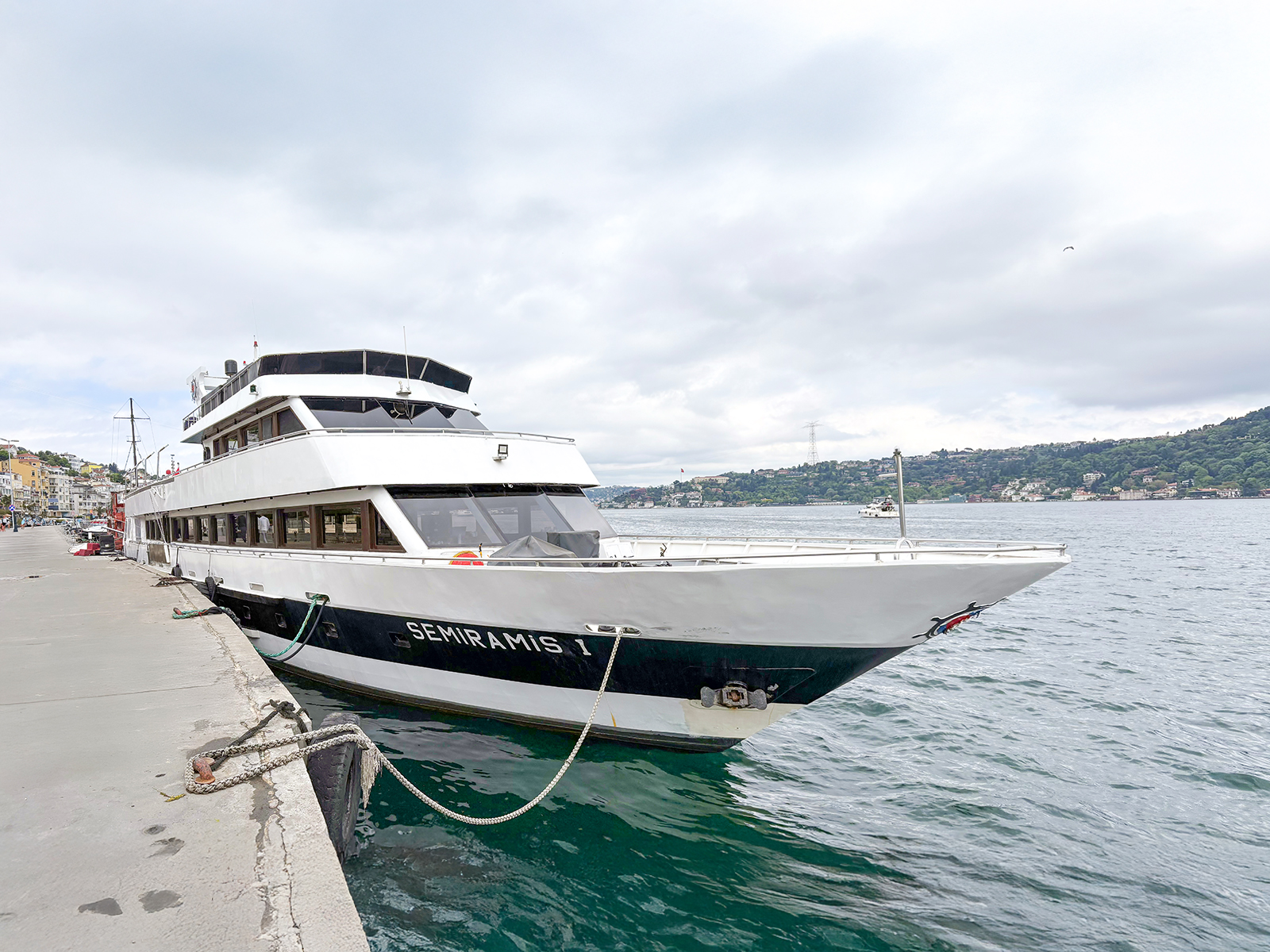
They look more like a ship than a boat with their heavy iron structure. Their names bring news from other countries, from nights that have been the subject of fairy tales or movies: Semiramis, Vivaldi, Monte Carlo. Perhaps because of their size, they do not seem eager to go out to sea, and do not move for such small events. They sit patiently on the shore for days, as if waiting for important news. Dining rooms on the lower floors large enough to accommodate a wedding party, eye-catching white tablecloths and shining cutlery on top of them, draw the attention of even those passing by on the coast. Unlike other boats, they cross the Bosporus always in bright lights, immediately recognizable in the darkness of the night. They sometimes host such crowded events and weddings that the entire city of Istanbul joins in the fun.
4. Passenger ferries
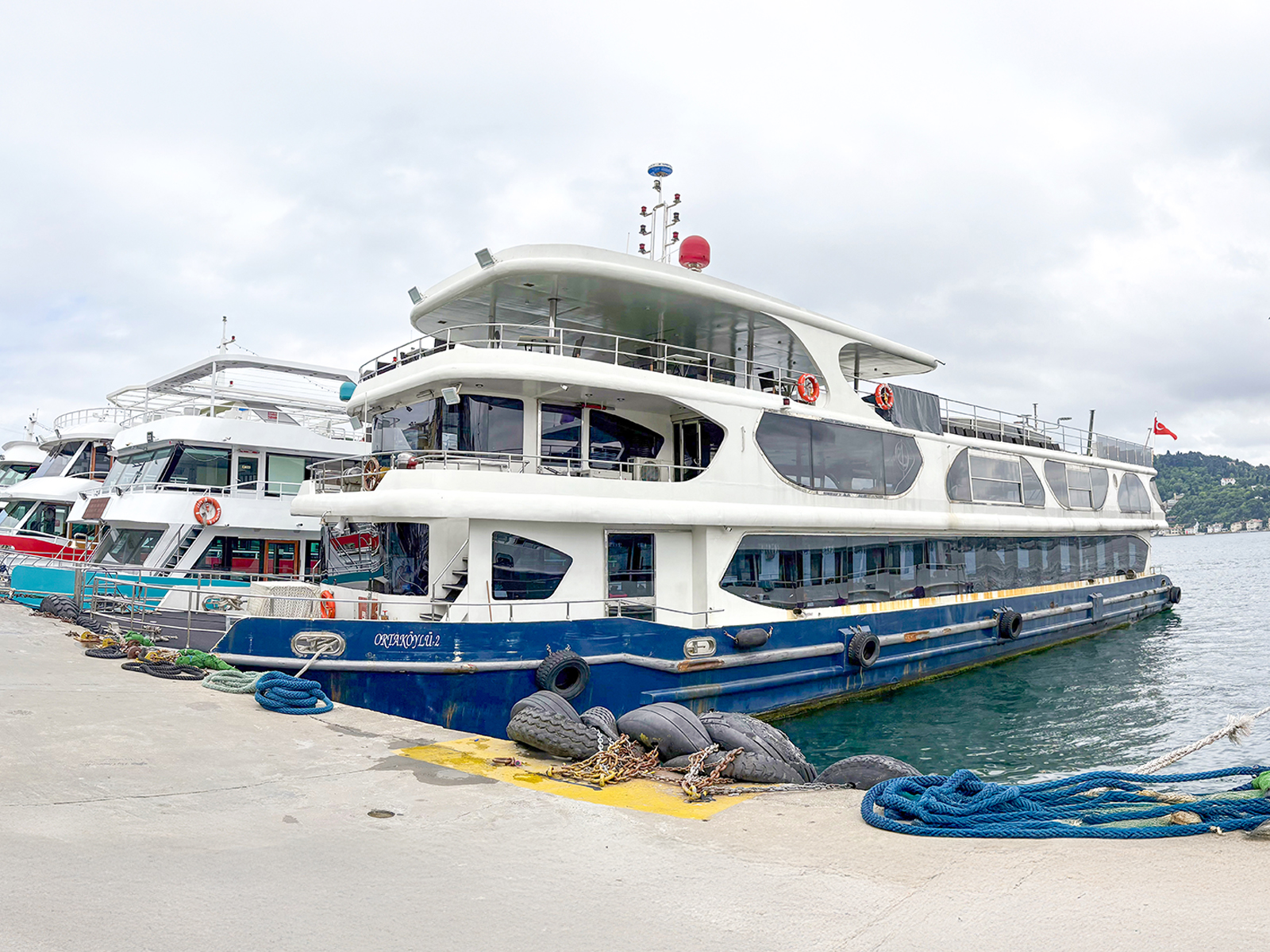
The hardest working of the Bosporus boats are the passenger ferries. They look the same as if they were cast in a mold, as if they came out of a lathe, like numerous twins of the same family. So do their colors, usually painted in a shade of blue or dark blue. Their work routes are clear, and their working hours are precise. When you look carefully, you sense a calmness and self-confidence that comes from being at the same speed, always on the same route. They act like the big brother even when passing by giant transatlantics because they are the ones who drink the waters of the Bosporus the most and know its waves and air the best. They carry people, they carry hope, they carry excitement. Regardless of the route, they provide a taste of Istanbul to passengers on the upper floor.
5. Fishing boats
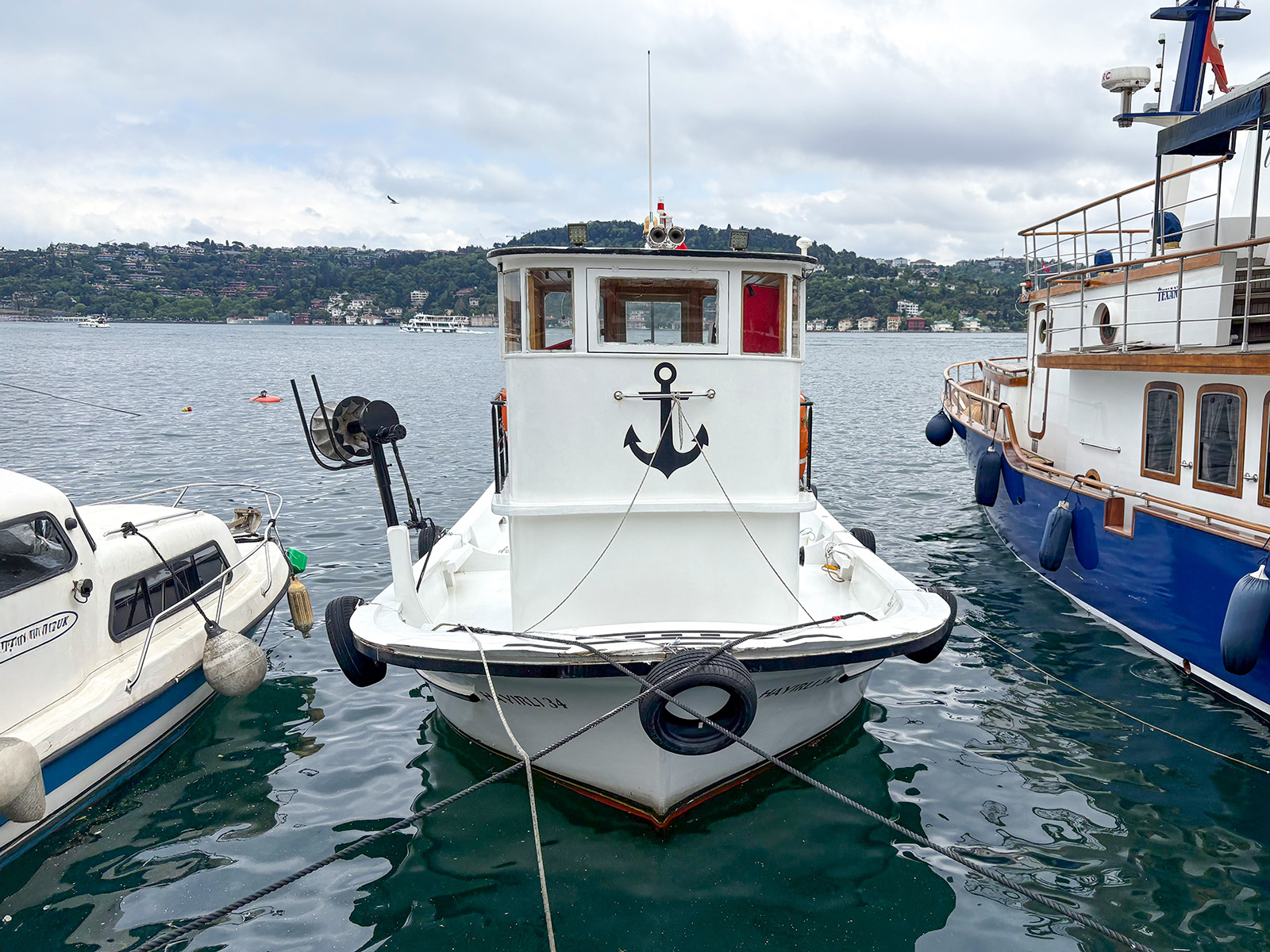
Fishing boats are indispensable in the waters of the Bosporus after the city-line ferries, the sleepless symbols of time. Their work is clear, their problems are clear, their places are clear, their expenses and income are clear. Almost all of them are like an extension of their owner's body, which is perhaps why most of them are named after a captain. Interestingly, they do not look quite similar. While some are wooden, some are fiberglass. Some have paddles, some have small engines. Some of them preserve the simplicity of the first day they were built, while others, like Topkapı Palace, have multiple layers. They have a gloomy atmosphere, perhaps because they are too preoccupied with luck, fate and fortune. The only thing that can clear this atmosphere is a good catch or a sweet folk song.
6. Tiny rowboats
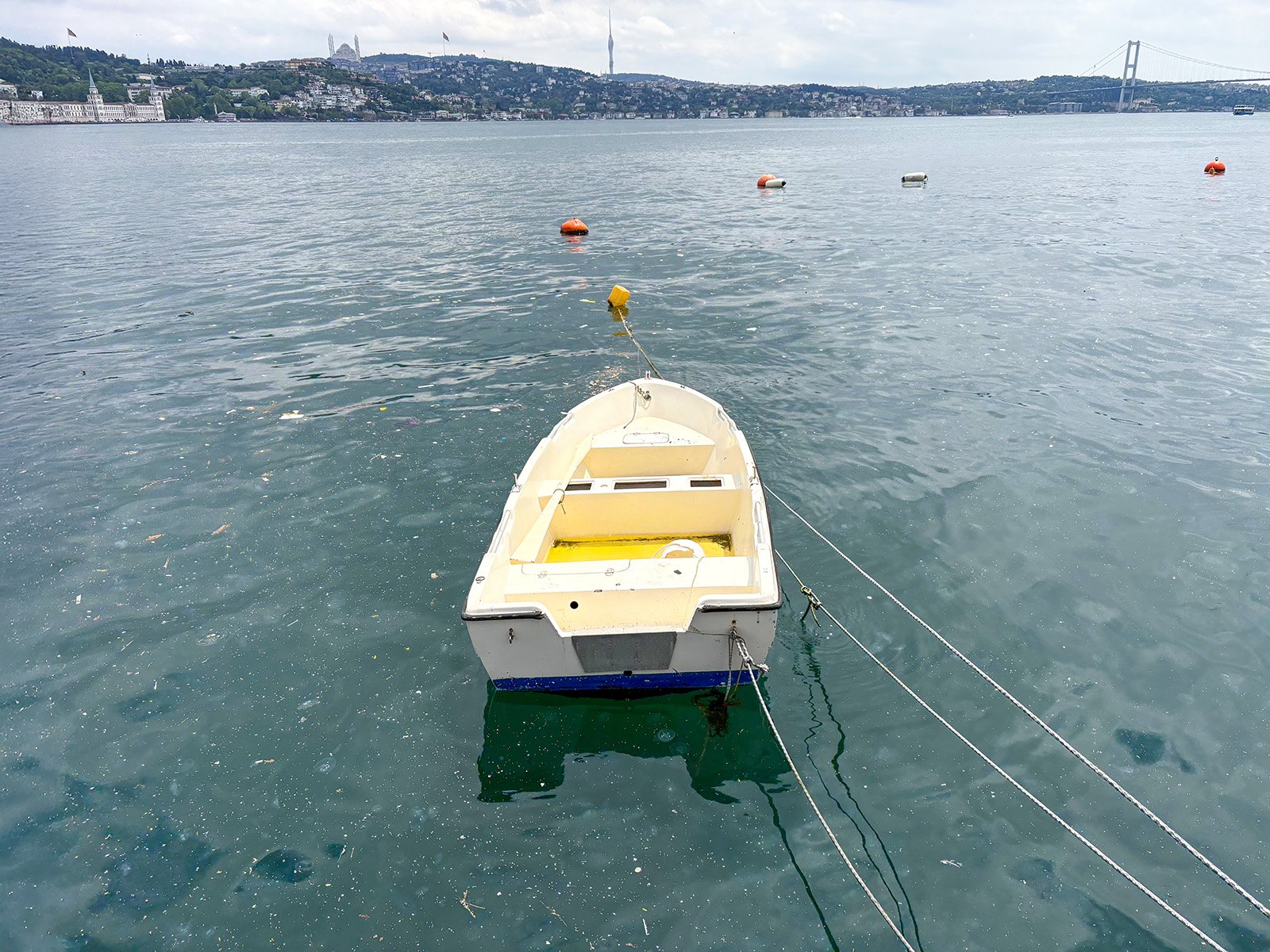
Rowboats, the owners of which you can never see, or even witness leaving the shore, but which are always there, resemble a toy for adults rather than a watercraft. They have proportional bodies, as if they were not built that way, as if they had grown and then shrunk. Their colors, their origins, their names are nothing alike, and their journeys do not go far. Like their land friends, bicycles, they appeal to people with their humble but sympathetic appearance. However, since they are not worth the mooring money, they are usually tied to a pontoon, a little offshore, in an inaccessible spot. What exactly do rowboats do? Nobody knows the answer to that. Probably only the poets who incorporate them into their poetry for rhyme!
Photographs: Kayhan Yavuz